Anxiety attacks, often referred to as panic attacks, are sudden episodes of intense fear or discomfort that peak within minutes. These episodes can be overwhelming and may leave individuals feeling helpless or out of control. Understanding what anxiety attacks are is crucial for anyone seeking to improve their mental wellness & anxiety care. They can manifest in various ways, including physical symptoms such as a racing heart, shortness of breath, and dizziness, as well as emotional symptoms like feelings of impending doom or detachment from reality. The symptoms of anxiety attacks can vary widely from person to person.
Commonly reported symptoms include chest pain, sweating, trembling, and a sense of choking. Many individuals may also experience a fear of losing control or dying during an attack. Recognizing these symptoms is the first step toward managing them effectively. It’s important to note that while anxiety attacks can be frightening, they are not life-threatening. Understanding the causes of anxiety attacks is equally important in addressing them.
Triggers can range from stressful life events and trauma to underlying mental health conditions such as generalized anxiety disorder or post-traumatic stress disorder. Additionally, certain lifestyle factors like caffeine consumption, lack of sleep, and substance abuse can exacerbate anxiety symptoms. By identifying these triggers, individuals can take proactive steps toward managing their anxiety and improving their overall mental health.
The Importance of Mental Wellness in Anxiety Care
Understanding the importance of mental wellness in the context of anxiety care is crucial for anyone seeking to manage anxiety effectively. Mental wellness encompasses a range of practices and attitudes that contribute to a healthy mind, which can significantly influence how individuals cope with anxiety attacks.When individuals prioritize their mental wellness, they equip themselves with tools and strategies that can mitigate the impact of anxiety.This proactive approach not only helps in managing symptoms but also fosters resilience against future episodes. Here are some key aspects highlighting the significance of mental wellness in anxiety care:
- Self-awareness: Developing an understanding of one’s thoughts and feelings is essential. Self-awareness allows individuals to recognize early signs of anxiety, enabling them to implement coping strategies before the situation escalates.
- Stress management: Engaging in activities that promote relaxation, such as mindfulness, meditation, or yoga, can significantly reduce stress levels. These practices enhance mental clarity and emotional stability, which are vital for effective anxiety management.
- Support systems: Building a network of supportive friends, family, or mental health professionals can provide a safety net during challenging times.
Sharing experiences and feelings can alleviate the burden of anxiety and foster a sense of belonging.
- Healthy lifestyle choices: Regular physical activity, balanced nutrition, and adequate sleep are foundational elements of mental wellness. These factors contribute to overall well-being and can help regulate mood and anxiety levels.
Coping Mechanisms for Anxiety Attacks
Dealing with anxiety attacks can be overwhelming, but there are several effective coping mechanisms that can help individuals regain control and find relief. Here are some strategies for anxiety relief that can be implemented during an anxiety attack:- Deep Breathing Exercises: Focusing on your breath can help calm your mind and body.
Try inhaling deeply through your nose for a count of four, holding for four, and exhaling slowly through your mouth for a count of six. Repeat this cycle until you feel more centered.
- Grounding Techniques: Grounding exercises can help distract you from anxious thoughts. One popular method is the 5-4-3-2-1 technique, where you identify five things you can see, four things you can touch, three things you can hear, two things you can smell, and one thing you can taste.
- Progressive Muscle Relaxation: This technique involves tensing and then relaxing different muscle groups in your body. Start from your toes and work your way up to your head, focusing on the contrast between tension and relaxation.
- Visualization: Picture a peaceful scene or a place where you feel safe and relaxed.
Engaging your imagination in this way can help shift your focus away from anxiety.
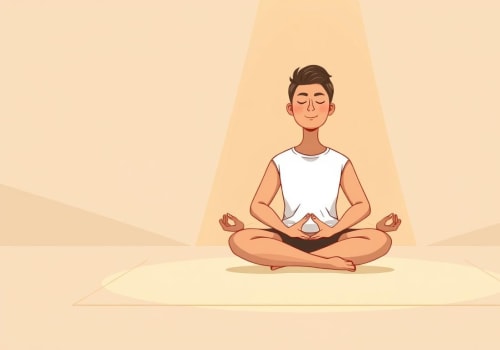
- Mindfulness Meditation: Practicing mindfulness allows you to observe your thoughts without judgment. Spend a few minutes focusing on the present moment, acknowledging your feelings without trying to change them.
A mental health professional can provide tailored strategies and support to help manage anxiety effectively.
Breathing Techniques and Mindfulness Practices
When it comes to managing anxiety attacks, breathing techniques and mindfulness practices are powerful tools that can significantly enhance your mental wellness. These methods not only help in the moment but also contribute to long-term anxiety care.Breathing Techniques for Anxiety
One of the simplest yet most effective ways to combat anxiety is through controlled breathing. Here are a few techniques you can try:- Diaphragmatic Breathing: Also known as abdominal or belly breathing, this technique involves inhaling deeply through your nose, allowing your diaphragm to expand fully. Exhale slowly through your mouth.
Aim for a 4-4-8 pattern: inhale for 4 seconds, hold for 4 seconds, and exhale for 8 seconds.
- Box Breathing: This method is particularly useful during high-stress moments. Inhale for 4 seconds, hold for 4 seconds, exhale for 4 seconds, and hold again for 4 seconds before repeating.
- 4-7-8 Breathing: Inhale through your nose for 4 seconds, hold your breath for 7 seconds, and exhale through your mouth for 8 seconds. This technique can help calm the nervous system.
Mindfulness Practices for Anxiety Relief
Mindfulness involves being present in the moment without judgment. Incorporating mindfulness into your daily routine can help reduce anxiety levels over time.Here are some practices to consider:
- Meditation: Spend a few minutes each day focusing on your breath or a specific mantra. Guided meditations can also be beneficial, especially those designed specifically for anxiety relief.
- Body Scan: This practice involves mentally scanning your body from head to toe, noticing any tension or discomfort. Acknowledge these feelings without judgment and consciously relax those areas.
- Mindful Walking: Take a walk in nature or around your home while focusing on the sensations of each step. Pay attention to the sights, sounds, and smells around you to ground yourself in the present moment.
Remember that consistency is key; the more you practice, the more effective these techniques will become in supporting your overall mental wellness.
Physical Activities and Their Impact on Anxiety Management
Engaging in physical activities is one of the most effective coping mechanisms for managing anxiety. Numerous studies have shown that regular exercise can significantly reduce symptoms of anxiety and improve overall mental wellness. This section delves into how different forms of physical activity can serve as a powerful tool in anxiety care.Exercise for Anxiety
- Aerobic exercises, such as running, swimming, or cycling, are particularly beneficial. They increase the production of endorphins, which are natural mood lifters.
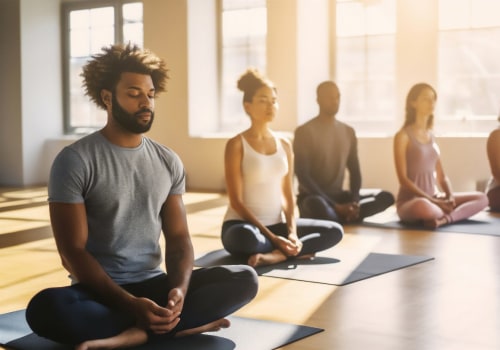
- Yoga combines physical movement with mindfulness and breathing techniques, helping to calm the mind and reduce stress levels.
- Strength training has also been linked to improved mental health, as it can enhance self-esteem and body image.
Regular participation in physical activities can lead to:
- Improved sleep quality: Better sleep can help regulate mood and reduce anxiety levels.
- Increased resilience: Overcoming physical challenges can build confidence and coping skills that translate into daily life.
- A sense of community: Group activities or classes provide social support, which is crucial for mental wellness.
The Role of Professional Help in Anxiety Care
When it comes to managing severe anxiety attacks, seeking professional help is often a crucial step towards achieving mental wellness.While self-help strategies can be beneficial, they may not always be sufficient for everyone. Understanding when to seek help is essential for effective anxiety care.
Recognizing the Need for Professional Support
- If anxiety attacks are frequent and disrupt daily life, it may be time to consult a mental health professional.
- Experiencing physical symptoms such as rapid heartbeat, shortness of breath, or dizziness during anxiety attacks can indicate a need for professional intervention.
- If self-help techniques like mindfulness or breathing exercises do not alleviate symptoms, professional therapy may provide the necessary support.
Therapy Options for Anxiety
There are various types of therapy available that can effectively address anxiety:
- Cognitive Behavioral Therapy (CBT): This evidence-based approach helps individuals identify and change negative thought patterns that contribute to anxiety.
- Exposure Therapy: This method gradually exposes individuals to their sources of anxiety in a controlled environment, helping them build coping mechanisms.
- Mindfulness-Based Therapy: This approach focuses on being present in the moment and can help reduce anxiety symptoms by promoting relaxation.
Professional Treatment Options
In addition to therapy, there are other treatment options available:
- Medication: Antidepressants and anti-anxiety medications can be prescribed to help manage symptoms effectively.
- Support Groups: Joining a support group can provide a sense of community and shared experiences, which can be comforting during difficult times.
Lifestyle Changes to Support Mental Wellness
Making lifestyle changes can significantly enhance mental wellness and help manage anxiety attacks.Here are some effective strategies:
- Balanced Diet: Nutrition plays a crucial role in mental health. Incorporating a diet rich in fruits, vegetables, whole grains, and lean proteins can help stabilize mood and reduce anxiety. Foods high in omega-3 fatty acids, such as salmon and walnuts, are particularly beneficial for brain health.
- Regular Exercise: Physical activity is a powerful tool for managing anxiety. Engaging in regular exercise releases endorphins, which are natural mood lifters.
Aim for at least 30 minutes of moderate exercise most days of the week. Activities like walking, yoga, or dancing can be particularly effective.
- Quality Sleep: Sleep and mental wellness are closely linked. Poor sleep can exacerbate anxiety symptoms. Establishing a consistent sleep schedule, creating a calming bedtime routine, and ensuring your sleep environment is conducive to rest can improve sleep quality.
- Mindfulness and Relaxation Techniques: Practices such as meditation, deep breathing exercises, and progressive muscle relaxation can help calm the mind and reduce anxiety levels.
Setting aside time each day for these activities can foster a greater sense of peace.
FAQs About Coping with Anxiety Attacks
When it comes to coping with anxiety attacks, many individuals have questions about effective strategies and common misconceptions. Here are some frequently asked questions that can help clarify these aspects:What are some effective coping strategies for anxiety attacks?
- Deep Breathing Exercises: Focusing on your breath can help ground you during an anxiety attack. Try inhaling deeply through your nose, holding for a few seconds, and exhaling slowly through your mouth.
- Mindfulness and Meditation: Practicing mindfulness can help you stay present and reduce feelings of panic.
Apps and guided meditations can be beneficial.
- Physical Activity: Engaging in physical exercise releases endorphins, which can improve your mood and reduce anxiety levels.
- Journaling: Writing down your thoughts and feelings can provide an outlet for your emotions and help you identify triggers.
Are there any myths about managing anxiety?
- Myth 1: Anxiety attacks are just in your head. This is false; anxiety attacks can have physical symptoms that are very real.
- Myth 2: You can simply will yourself to stop feeling anxious. Anxiety is a complex condition that often requires more than just willpower to manage.
- Myth 3: Medication is the only solution. While medication can be helpful, many coping strategies exist that do not involve pharmaceuticals.
Conclusion: Embracing Mental Wellness in Your Journey Against Anxiety
In conclusion, navigating the complexities of anxiety requires a multifaceted approach that prioritizes mental wellness and effective anxiety care.Throughout this article, we have explored various coping mechanisms that can empower individuals to manage their anxiety attacks more effectively. From practicing mindfulness and deep breathing techniques to engaging in regular physical activity and seeking professional support, each strategy plays a vital role in fostering resilience.It is essential to recognize that mental wellness is not a destination but a continuous journey. Embracing this journey means acknowledging the challenges while also celebrating the small victories along the way. By integrating coping strategies into daily routines, individuals can cultivate a sense of control over their anxiety, leading to improved emotional health.Moreover, building a supportive network is crucial.
Whether through friends, family, or support groups, sharing experiences and feelings can significantly alleviate the burden of anxiety. Remember, you are not alone in this journey; many resources are available to help you navigate your path toward mental wellness.As you reflect on the insights shared in this article, consider taking proactive steps towards enhancing your anxiety care. Explore new coping mechanisms, seek professional guidance when necessary, and remain open to discovering what works best for you. The road may be challenging, but with commitment and the right tools, it is possible to embrace a life filled with peace and fulfillment.Ultimately, prioritizing mental wellness is an investment in your overall quality of life.
By actively engaging in self-care practices and remaining informed about anxiety management strategies, you can pave the way for a brighter future.