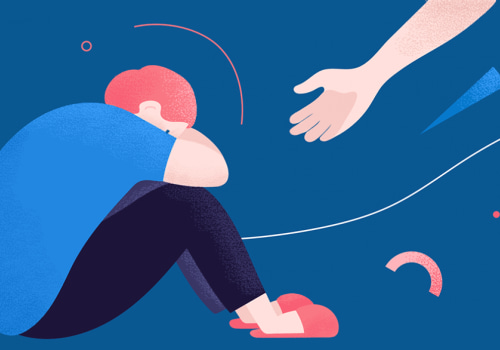
Mental wellness is a crucial aspect of our overall health, encompassing emotional, psychological, and social well-being. It influences how we think, feel, and act, and plays a significant role in how we handle stress, relate to others, and make choices. Understanding mental wellness is essential for anyone seeking to improve their quality of life, especially for those grappling with anxiety. Anxiety is more than just feeling stressed or worried; it can manifest in various forms, including generalized anxiety disorder, panic disorder, and social anxiety disorder.
Each type presents unique challenges that can impact daily functioning. Recognizing the signs of anxiety is the first step toward effective anxiety care. Symptoms may include persistent worry, restlessness, fatigue, difficulty concentrating, and physical symptoms like increased heart rate or sweating. These experiences can be overwhelming and isolating, making it vital to seek support. Fortunately, there are numerous resources available for individuals looking to enhance their mental wellness and manage their anxiety effectively. This article aims to provide a comprehensive overview of the various resources available for those seeking help with their mental health and anxiety.
By understanding the basics of mental health and the importance of addressing anxiety early on, individuals can take proactive steps toward recovery and well-being. Whether through professional therapy, support groups, or self-help strategies, there are pathways to achieving a healthier state of mind.
Professional Help: Therapists and Counselors
Seeking professional help is a vital step for anyone struggling with mental wellness & anxiety care. Therapists and counselors are trained to provide support, guidance, and effective treatment options tailored to individual needs. Understanding how to find the right professional can significantly impact your journey toward better mental health.Finding a Counselor
- Referrals: Start by asking your primary care physician for recommendations.
They often have a network of trusted mental health professionals.
- Online Directories: Websites like Psychology Today or TherapyDen allow you to search for therapists based on location, specialty, and insurance coverage.
- Support Groups: Local or online support groups can provide personal recommendations based on shared experiences.
- Cognitive Behavioral Therapy (CBT): This evidence-based approach focuses on identifying and changing negative thought patterns that contribute to anxiety.
- Dialectical Behavior Therapy (DBT): Particularly effective for those with intense emotions, DBT combines cognitive-behavioral techniques with mindfulness practices.
- Exposure Therapy: This method gradually exposes individuals to their sources of anxiety in a controlled environment, helping them build coping skills.
- Mindfulness-Based Therapy: Incorporating mindfulness practices can help individuals stay present and reduce anxiety symptoms.
Support Groups and Community Resources
For individuals grappling with anxiety, support groups and community resources can provide invaluable assistance.These platforms not only offer a safe space to share experiences but also foster connections with others who understand the challenges of mental health.
Support Groups for Anxiety
Support groups specifically tailored for anxiety can be found in various formats, including in-person meetings and online forums. Organizations such as the Anxiety and Depression Association of America (ADAA) and NAMI (National Alliance on Mental Illness) often host local chapters that facilitate these gatherings. Participants can share coping strategies, discuss triggers, and receive emotional support from peers who are navigating similar paths.Community Mental Health Resources
Many communities offer mental health resources that are accessible to residents. Local health departments frequently provide information on available services, including:- Crisis hotlines for immediate support
- Therapy sessions at reduced costs through community clinics
- Workshops focused on stress management and coping techniques
Peer Support Programs
Peer support programs are another effective avenue for individuals dealing with anxiety.These programs connect individuals with trained peers who have lived experience with mental health challenges. This unique perspective can help foster understanding and provide practical advice on managing anxiety. Many local organizations, such as Peer Support Coalition, offer training for peer supporters and facilitate connections within the community.
Local Mental Health Services
Finding local mental health services is crucial for ongoing support. Websites like Psychology Today allow users to search for therapists based on location, specialty, and insurance coverage.Additionally, many universities and colleges provide counseling services to students, which can be a great resource for young adults facing anxiety.In summary, leveraging support groups, community resources, and peer support programs can significantly enhance mental wellness and provide essential care for those struggling with anxiety. Engaging with these resources not only helps individuals feel less isolated but also empowers them to take proactive steps towards their mental health journey.
Online Resources: Websites and Apps for Mental Wellness
In today's digital age, numerous online resources are available to support individuals seeking help with their mental wellness and anxiety care. These resources range from mobile applications to comprehensive websites that provide valuable information and services.Popular Mental Health Apps
- Headspace: This app offers guided meditations and mindfulness exercises tailored to reduce anxiety and improve overall mental health.
- Calm: Known for its soothing sounds and sleep stories, Calm also provides meditation sessions focused on anxiety relief.
- BetterHelp: An online platform connecting users with licensed therapists for virtual counseling sessions, making therapy more accessible.
- Woebot: A chatbot designed to provide emotional support and cognitive behavioral therapy techniques through engaging conversations.
Websites for Anxiety Help
- Anxiety and Depression Association of America (ADAA): This site offers a wealth of resources, including articles, self-help tools, and a directory of therapists specializing in anxiety disorders.
- NAMI (National Alliance on Mental Illness): NAMI provides educational materials, support groups, and a helpline for those struggling with mental health issues.
- Psycom: A comprehensive resource for mental health information, including articles on anxiety management strategies and treatment options.
Digital Mental Wellness Tools
In addition to apps and websites, various digital tools can enhance your mental wellness journey. For instance, journaling apps like Penzu or Day One allow users to track their thoughts and feelings, promoting self-reflection.Furthermore, platforms like Moodfit help users monitor their mood patterns and identify triggers related to anxiety.The availability of these online resources makes it easier than ever to seek help for mental health challenges. Whether you prefer the convenience of an app or the depth of information found on dedicated websites, there are numerous options to support your journey toward better mental wellness.
Self-Help Strategies for Managing Anxiety
Managing anxiety can often feel overwhelming, but there are several self-help strategies that individuals can implement to regain control and promote mental wellness. Here are some effective techniques:Mindfulness Techniques
Mindfulness involves being present in the moment and can significantly reduce anxiety. Here are a few practices to consider:- Breathing Exercises: Focus on your breath.
Inhale deeply through your nose, hold for a few seconds, and exhale slowly through your mouth. Repeat this for several minutes.
- Body Scan Meditation: Lie down comfortably and mentally scan your body from head to toe, noticing any tension or discomfort. Acknowledge these feelings without judgment.
- Guided Imagery: Visualize a peaceful scene, such as a beach or forest. Engage all your senses to enhance the experience.
Coping Strategies
In addition to mindfulness, developing effective coping strategies can help manage anxiety:- Journaling: Write down your thoughts and feelings.
This can help clarify what triggers your anxiety and provide an outlet for expression.
- Physical Activity: Regular exercise releases endorphins, which can improve mood and reduce stress. Aim for at least 30 minutes of moderate activity most days.
- Limit Caffeine and Alcohol: Both substances can exacerbate anxiety symptoms. Consider reducing intake to see if it helps.
Stress Management Tips
Implementing effective stress management techniques is crucial for maintaining anxiety care. Here are some tips:- Create a Routine: Establishing a daily routine can provide structure and predictability, which may alleviate feelings of anxiety.
- Set Realistic Goals: Break tasks into smaller, manageable steps to avoid feeling overwhelmed.
- Connect with Others: Reach out to friends or family members for support.
Sharing your feelings can lighten the emotional load.
FAQs About Mental Wellness and Anxiety Care
When it comes to mental wellness and anxiety care, many individuals have questions about how to navigate their journey toward better mental health. Here are some frequently asked questions that can provide clarity and guidance.What are the common signs of anxiety?
Anxiety can manifest in various ways, and recognizing the signs is crucial for seeking help. Common symptoms include:- Excessive worrying about everyday situations
- Restlessness or feeling on edge
- Difficulty concentrating or mind going blank
- Physical symptoms such as increased heart rate, sweating, or trembling
- Avoidance of certain situations that trigger anxiety
How can I seek help for anxiety?
If you’re experiencing symptoms of anxiety, seeking help is a vital step. Here are some options:- Consult a healthcare professional: A doctor or therapist can provide a diagnosis and recommend treatment options.
- Join support groups: Connecting with others who understand your struggles can be incredibly beneficial.
- Utilize online resources: Websites and apps dedicated to mental health can offer tools and strategies for managing anxiety.
What should I expect from therapy?
Therapy can be a transformative experience.Here’s what you might expect:
- An initial assessment: Your therapist will ask questions to understand your history and current challenges.
- A safe space: Therapy provides a confidential environment where you can express your thoughts and feelings without judgment.
- Goal setting: Together with your therapist, you will set achievable goals to work towards during your sessions.
- Coping strategies: You will learn techniques to manage anxiety effectively, which may include mindfulness practices or cognitive-behavioral strategies.
Conclusion: Taking the First Step Towards Mental Wellness
In conclusion, taking the first step towards mental wellness and effective anxiety care is crucial for anyone struggling with their mental health. Throughout this article, we have explored various resources available to support individuals on their journey to better mental health. From professional therapy and counseling services to community support groups and online resources, there are numerous avenues to seek help.It’s important to remember that acknowledging the need for help is a significant milestone. Here are some key takeaways:- Professional Help: Engaging with licensed therapists or counselors can provide personalized strategies and coping mechanisms tailored to your specific needs.
- Support Networks: Connecting with others who share similar experiences can foster a sense of belonging and understanding, making the journey less isolating.
- Self-Help Resources: Books, podcasts, and online courses can offer valuable insights and techniques for managing anxiety and enhancing mental wellness.
- Mindfulness Practices: Incorporating mindfulness and relaxation techniques into your daily routine can significantly reduce anxiety levels and improve overall mental health.
Whether it’s reaching out to a friend, scheduling an appointment with a mental health professional, or exploring self-help materials, every small step counts. Remember, you are not alone in this journey, and there are resources available to guide you towards a healthier mindset.Ultimately, prioritizing your mental wellness is an ongoing process that requires patience and commitment. By actively seeking help and utilizing the resources at your disposal, you can pave the way for a brighter, more balanced future.