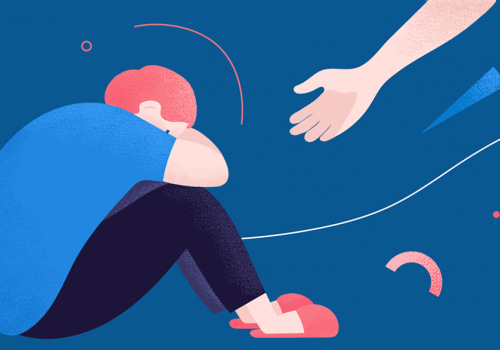
Mental wellness is a multifaceted concept that encompasses emotional, psychological, and social well-being. It affects how we think, feel, and act, influencing our ability to handle stress, relate to others, and make choices.
Understanding mental wellness
is crucial as it serves as the foundation for overall health and quality of life. When individuals prioritize their mental wellness, they are better equipped to navigate life's challenges and maintain a balanced perspective. On the other hand, anxiety disorders represent a significant barrier to achieving mental wellness.These disorders manifest in various forms, including generalized anxiety disorder, panic disorder, and social anxiety disorder, each characterized by excessive fear or worry that can disrupt daily functioning. The prevalence of anxiety disorders has surged in recent years, making it essential to explore effective strategies for anxiety care. Understanding the nature of these disorders is the first step toward finding relief and fostering resilience. By delving into the relationship between mental wellness and anxiety care, we can uncover how practices such as mindfulness can serve as powerful tools for managing anxiety. This exploration not only highlights the importance of maintaining mental wellness but also emphasizes the need for effective interventions that can alleviate the burden of anxiety disorders.
As we navigate this complex landscape, it becomes clear that prioritizing mental health is not just beneficial but essential for leading a fulfilling life.
What is Mindfulness?
Mindfulness is a mental practice that involves focusing one’s attention on the present moment while acknowledging and accepting one’s thoughts, feelings, and bodily sensations without judgment. Originating from ancient Buddhist traditions, mindfulness has gained popularity in modern psychology as a powerful tool for enhancing mental wellness and managing anxiety.The essence of mindfulness lies in its ability to cultivate awareness and promote a sense of calm amidst the chaos of daily life. By practicing mindfulness, individuals can develop a deeper understanding of their emotional responses and learn to navigate stressors more effectively.Types of Mindfulness Practices
- Mindful Breathing: This practice involves focusing on the breath, observing each inhalation and exhalation. It helps anchor the mind and reduces anxiety by promoting relaxation.
- Body Scan: A technique where individuals mentally scan their bodies for tension or discomfort, encouraging a connection between mind and body.
- Mindful Eating: This practice encourages individuals to savor each bite, paying attention to flavors, textures, and the experience of eating, which can foster a healthier relationship with food.
- Walking Meditation: Involves slow, deliberate walking while maintaining awareness of the movement and surroundings, integrating mindfulness into physical activity.
- Guided Meditation: Often led by an instructor or through audio recordings, this practice provides direction for focusing the mind and can be particularly helpful for beginners.
By fostering a non-judgmental awareness of thoughts and feelings, mindfulness empowers individuals to respond to stressors with greater resilience and clarity.
The Science Behind Mindfulness and Mental Wellness
Research has increasingly shown that mindfulness practices can significantly enhance mental wellness and provide effective care for anxiety. A variety of scientific studies have explored how mindfulness affects the brain and overall mental health, revealing compelling evidence of its benefits.One landmark study published in the journal Psychological Science found that participants who engaged in mindfulness meditation exhibited reduced levels of anxiety and improved emotional regulation. This study highlighted that mindfulness can lead to structural changes in the brain, particularly in areas associated with stress response and emotional regulation.Another significant research effort, conducted by neuroscientists at Harvard University, demonstrated that just eight weeks of mindfulness training could actually increase the gray matter density in the hippocampus, a region of the brain crucial for learning and memory. This suggests that mindfulness not only helps alleviate symptoms of anxiety but also promotes brain health.- Mindfulness-Based Stress Reduction (MBSR): This program has been shown to reduce anxiety levels significantly.
Participants reported lower stress levels and improved coping mechanisms.
- Mindfulness and Cognitive Behavioral Therapy (CBT): Integrating mindfulness into CBT has proven effective in treating anxiety disorders, as it helps individuals become more aware of their thoughts and feelings without judgment.
- Neuroplasticity: Mindfulness practices encourage neuroplasticity, allowing the brain to adapt and change positively, which is essential for long-term mental wellness.
How Mindfulness Practices Reduce Anxiety
Mindfulness practices have gained recognition as effective tools for anxiety reduction. By fostering a state of awareness and presence, these techniques can significantly alleviate symptoms of anxiety and promote overall mental wellness.Mindful Breathing
One of the simplest yet most powerful mindfulness techniques is mindful breathing. This practice involves focusing on your breath, observing each inhalation and exhalation without judgment.To practice mindful breathing:
- Find a quiet space where you can sit comfortably.
- Close your eyes and take a deep breath in through your nose.
- Hold for a moment, then exhale slowly through your mouth.
- Continue this pattern, allowing your thoughts to drift away as you concentrate solely on your breath.
Body Scan Meditation
The body scan meditation is another effective mindfulness practice that encourages awareness of physical sensations. This technique can help identify areas of tension or discomfort that may be contributing to anxiety. To perform a body scan:- Lie down in a comfortable position.
- Close your eyes and take several deep breaths.
- Begin by focusing on your toes, noticing any sensations or tension.
- Gradually move your attention up through your body, from your feet to your head.
- If you encounter tension, visualize it melting away with each exhale.
Mindful Walking
Mindful walking is an excellent way to incorporate mindfulness into daily activities. This practice allows you to connect with your surroundings while engaging in physical movement.To practice mindful walking:
- Select a quiet place where you can walk undisturbed.
- As you walk, pay attention to the sensation of your feet touching the ground.
- Notice the rhythm of your steps and the sounds around you.
- If your mind wanders, gently bring it back to the experience of walking.
Practical Mindfulness Techniques for Everyday Life
Incorporating mindfulness practices into your daily routine can significantly enhance your mental wellness and provide effective support for anxiety care. Here are some practical techniques that you can easily integrate into your life:- Mindful Breathing: Take a few minutes each day to focus on your breath. Find a quiet space, close your eyes, and inhale deeply through your nose, allowing your abdomen to expand.
Exhale slowly through your mouth. This simple exercise can help ground you and reduce feelings of anxiety.
- Body Scan Meditation: Lie down comfortably and bring your attention to different parts of your body, starting from your toes and moving up to the crown of your head. Notice any sensations, tension, or discomfort. This practice helps cultivate awareness and promotes relaxation.
- Mindful Walking: During a walk, pay attention to the sensation of your feet touching the ground, the rhythm of your breath, and the sights and sounds around you.
This practice not only enhances mindfulness but also encourages physical activity, which is beneficial for mental health.
- Gratitude Journaling: Spend a few minutes each day writing down three things you are grateful for. This practice shifts your focus from negative thoughts to positive experiences, fostering a sense of well-being.
- Mindful Eating: During meals, take time to savor each bite. Notice the flavors, textures, and aromas of your food. Eating mindfully can improve digestion and help you develop a healthier relationship with food.
Remember that consistency is key; even small moments of mindfulness can accumulate over time to make a significant impact on your overall mental wellness.
Mindfulness in Therapy: A Complementary Approach
Integrating mindfulness into therapeutic practices has emerged as a powerful approach to enhance mental wellness and provide effective anxiety care. Mindfulness therapy, which emphasizes present-moment awareness and acceptance, can complement traditional therapeutic techniques, particularly cognitive behavioral therapy (CBT).Cognitive behavioral therapy
focuses on identifying and changing negative thought patterns that contribute to anxiety. By incorporating mindfulness into CBT, therapists can help clients develop a greater awareness of their thoughts and feelings without judgment. This combination allows individuals to observe their anxiety triggers and responses more clearly, fostering a sense of control over their emotional states.Therapy Techniques for Anxiety
- Mindful Breathing: This technique encourages clients to focus on their breath, helping to ground them in the present moment and reduce feelings of panic.
- Body Scan: A practice where individuals mentally scan their bodies for tension or discomfort, promoting relaxation and awareness of physical sensations associated with anxiety.
- Mindful Journaling: Clients are encouraged to write about their thoughts and feelings, which can help clarify emotions and reduce anxiety by providing an outlet for expression.
By practicing mindfulness techniques, individuals learn to respond to stressors with greater calmness and clarity, ultimately improving their overall mental wellness.Moreover, therapists trained in mindfulness-based approaches can guide clients through various exercises that promote self-compassion and acceptance. This supportive environment fosters a deeper understanding of one’s mental health challenges, paving the way for lasting change.
Common Misconceptions About Mindfulness and Mental Health
Despite the growing popularity of mindfulness practices, several misconceptions persist regarding their effectiveness in promoting mental wellness and managing anxiety. Addressing these myths is crucial for individuals seeking to enhance their mental health through mindfulness.- Myth 1: Mindfulness is Just About Relaxation
While relaxation is a component of mindfulness, it encompasses much more. Mindfulness involves being fully present and aware of one’s thoughts and feelings without judgment.This practice can lead to deeper insights into one’s mental state, which is essential for effective anxiety care.
- Myth 2: Mindfulness is a Quick Fix
Many believe that mindfulness can provide immediate relief from anxiety. However, it is a skill that requires consistent practice over time. The benefits of mindfulness accumulate gradually, leading to long-term improvements in mental wellness. - Myth 3: You Have to Meditate for Hours
Another common misconception is that effective mindfulness requires lengthy meditation sessions. In reality, even short periods of mindfulness practice—such as a few minutes of focused breathing—can significantly impact mental health. - Myth 4: Mindfulness is Only for the Mentally Ill
Mindfulness practices are beneficial for everyone, not just those diagnosed with mental health conditions.Incorporating mindfulness into daily routines can enhance overall well-being and resilience against stress.
Conclusion: Embracing Mindfulness for Better Mental Wellness and Anxiety Care
In conclusion, embracing mindfulness practices can significantly enhance mental wellness and provide effective strategies for anxiety care. Throughout this article, we have explored various techniques such as meditation, deep breathing, and mindful movement, all of which contribute to a greater sense of calm and clarity.By incorporating mindfulness into daily routines, individuals can:- Reduce stress levels by promoting relaxation and decreasing the body's stress response.
- Enhance emotional regulation, allowing for better management of anxiety symptoms.
- Improve focus and concentration, which can be particularly beneficial in high-pressure situations.
- Foster self-awareness, helping individuals recognize triggers and patterns related to their anxiety.
- Encourage a positive mindset, shifting attention from negative thoughts to more constructive ones.
Whether through guided meditations, journaling, or simply taking a moment to breathe deeply, these practices can lead to profound changes in how we experience our thoughts and emotions.As we move forward in our lives, let us remember that prioritizing mental wellness is essential for overall health. By embracing mindfulness, we not only equip ourselves with the tools to manage anxiety but also cultivate a deeper connection with ourselves and the world around us. The path to mental wellness is ongoing, but with mindfulness as a companion, it becomes a journey filled with hope and resilience.