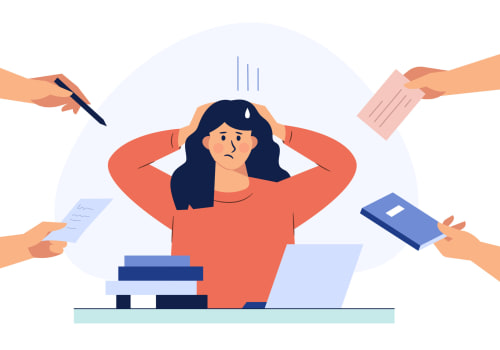
Anxiety disorders are among the most common mental health conditions affecting millions of individuals worldwide. These disorders encompass a range of conditions, including generalized anxiety disorder, panic disorder, and social anxiety disorder, each characterized by excessive fear or worry that can significantly impair daily functioning. The prevalence of anxiety disorders highlights the urgent need for effective treatment options, as untreated anxiety can lead to a decline in overall mental wellness, impacting relationships, work performance, and quality of life. Understanding the role of medication in treating anxiety disorders is crucial for those seeking relief from their symptoms. While therapy and lifestyle changes are essential components of anxiety treatment options, medication can provide significant benefits for many individuals.
It can help alleviate symptoms, allowing patients to engage more fully in therapeutic practices and improve their overall mental health. This multifaceted approach to treatment underscores the importance of addressing anxiety not just as a standalone issue but as a critical factor in achieving comprehensive mental wellness.As we delve deeper into the various treatment modalities available for anxiety disorders, it becomes clear that medication plays a pivotal role in many cases. By exploring the different types of medications used and their effects on mental wellness, we can better understand how to navigate the complexities of anxiety care and support those who are struggling.
Understanding Anxiety Disorders
Anxiety disorders are a group of mental health conditions characterized by excessive fear or worry. They can significantly impact daily life and overall mental wellness.Understanding the different types of anxiety disorders, their symptoms, and potential causes is essential for recognizing when medication may be necessary.
Types of Anxiety Disorders
- Generalized Anxiety Disorder (GAD): This condition involves persistent and excessive worry about various aspects of life, such as health, work, and social interactions.
- Social Anxiety Disorder: Individuals with this disorder experience intense fear in social situations, leading to avoidance of social interactions.
- Specific Phobias: These are irrational fears of specific objects or situations, such as heights or spiders, that can trigger severe anxiety.
- Panic Disorder: Characterized by recurrent panic attacks, this disorder involves sudden feelings of terror that can lead to physical symptoms like heart palpitations.
- Obsessive-Compulsive Disorder (OCD): This condition includes unwanted thoughts (obsessions) and repetitive behaviors (compulsions) aimed at reducing anxiety.
- Post-Traumatic Stress Disorder (PTSD): PTSD can develop after experiencing or witnessing a traumatic event, leading to flashbacks, nightmares, and severe anxiety.
Symptoms of Anxiety Disorders
The symptoms of anxiety disorders can vary widely but often include:- Restlessness or feeling on edge
- Fatigue or difficulty concentrating
- Irritability
- Sleep disturbances, such as insomnia or excessive sleeping
- Physical symptoms, including rapid heartbeat, sweating, or trembling
Causes of Anxiety Disorders
The causes of anxiety disorders are complex and can include:- Genetics: A family history of anxiety disorders may increase the likelihood of developing one.
- Chemical imbalances: Neurotransmitters in the brain play a significant role in regulating mood and anxiety levels.
- Environmental factors: Stressful life events, trauma, or chronic stress can trigger anxiety disorders.
- Personality traits: Certain personality types may be more prone to anxiety disorders.
The Role of Medication in Treating Anxiety Disorders
Medication plays a crucial role in the treatment of anxiety disorders, often serving as a foundational element in a comprehensive approach to mental wellness & anxiety care. Understanding how medication works can help individuals make informed decisions about their treatment options.Types of Medications
- Antidepressants: Selective serotonin reuptake inhibitors (SSRIs) and serotonin-norepinephrine reuptake inhibitors (SNRIs) are commonly prescribed to help regulate mood and reduce anxiety symptoms.
- Benzodiazepines: These medications provide quick relief from acute anxiety symptoms but are typically recommended for short-term use due to the risk of dependence.
- Beta-blockers: Often used to manage physical symptoms of anxiety, such as rapid heartbeat, beta-blockers can be effective for performance anxiety.
- Regulating Neurotransmitters: Many anxiety medications work by balancing neurotransmitters in the brain, such as serotonin and norepinephrine, which play a significant role in mood regulation.
- Reducing Physical Symptoms: Medications can help control the physical manifestations of anxiety, such as sweating, trembling, and increased heart rate, allowing individuals to feel more at ease.
- Enhancing Therapy Outcomes: When combined with psychotherapy, medication can enhance the effectiveness of therapeutic interventions, making it easier for individuals to engage in treatment.
- Rapid Relief: Many medications can provide quick relief from severe anxiety symptoms, allowing individuals to regain control over their daily lives.
- Improved Quality of Life: By effectively managing symptoms, medication can lead to improved social interactions, work performance, and overall well-being.
- Personalized Treatment: With various options available, healthcare providers can tailor medication regimens to meet individual needs and preferences.
Types of Medications Used in Anxiety Treatment
When it comes to treating anxiety disorders, a variety of medications are available, each serving a unique purpose in promoting mental wellness & anxiety care. Understanding these options can empower individuals to make informed decisions about their treatment.SSRIs for Anxiety
Selective serotonin reuptake inhibitors (SSRIs) are often the first line of treatment for anxiety disorders.These medications work by increasing the levels of serotonin in the brain, which can help improve mood and reduce anxiety. Common SSRIs prescribed for anxiety include:
- Fluoxetine (Prozac)
- Sertraline (Zoloft)
- Citalopram (Celexa)
- Escitalopram (Lexapro)
Benzodiazepines
Benzodiazepines are another class of medications used to treat anxiety, particularly for short-term relief. They work by enhancing the effect of a neurotransmitter called GABA, which has a calming effect on the brain. While effective, these medications can lead to dependence if used long-term.Common benzodiazepines include:
- Alprazolam (Xanax)
- Lorazepam (Ativan)
- Diazepam (Valium)
- Clonazepam (Klonopin)
Buspirone
Buspirone, another medication used in anxiety treatment, is distinct from SSRIs and benzodiazepines. It is often prescribed for generalized anxiety disorder (GAD) and works by affecting serotonin and dopamine receptors in the brain. Unlike benzodiazepines, buspirone is not associated with dependence and can be taken long-term.In summary, the choice of medication for anxiety disorders varies based on individual needs and circumstances. Consulting with a healthcare provider is essential to determine the most appropriate treatment plan that aligns with one's mental wellness & anxiety care goals.How Medication Fits into a Comprehensive Treatment Plan
When addressing anxiety disorders, it is crucial to understand that medication is just one piece of a larger puzzle.A comprehensive treatment plan should integrate various modalities, including therapy and lifestyle changes, to promote overall mental wellness.
Medication as a Component
- Antidepressants and anti-anxiety medications can help alleviate symptoms, making it easier for individuals to engage in therapeutic practices.
- Medications may be particularly beneficial for those with severe anxiety, where immediate relief is necessary to facilitate other forms of treatment.
The Role of Therapy
- Cognitive Behavioral Therapy (CBT) is often recommended alongside medication, as it equips individuals with coping strategies and tools to manage their anxiety.
- Therapy provides a safe space for individuals to explore the underlying causes of their anxiety, which medication alone cannot address.
Lifestyle Changes
- Incorporating regular exercise, a balanced diet, and mindfulness practices can significantly enhance the effectiveness of both medication and therapy.
- Support from family and friends also plays a vital role in the recovery process, contributing to a holistic approach to anxiety care.
Potential Side Effects and Considerations When Using Medication
When considering medication for anxiety disorders, it is essential to be aware of the potential side effects and risks involved. While medications can significantly improve mental wellness and anxiety care, they are not without their drawbacks.Common Side Effects- Drowsiness: Many anxiety medications, particularly benzodiazepines, can cause sedation, which may interfere with daily activities.
- Nausea: Some individuals may experience gastrointestinal issues, including nausea or upset stomach.
- Weight Gain: Certain antidepressants are associated with weight gain, which can be a concern for some patients.
- Sexual Dysfunction: Medications like SSRIs may lead to decreased libido or other sexual health issues.
- Dependency: Long-term use of benzodiazepines can lead to physical dependence and withdrawal symptoms.
- Increased Anxiety: Paradoxically, some medications may initially increase anxiety levels before providing relief.
- Interactions with Other Medications: It is crucial to discuss all medications with a healthcare provider to avoid harmful interactions.
Regular follow-ups can also ensure that any side effects are managed effectively, promoting a safer path toward improved mental wellness.
Frequently Asked Questions About Medication and Anxiety Disorders
When considering medication for anxiety disorders, many individuals have questions about its effectiveness, safety, and potential side effects. Here are some frequently asked questions that can help clarify these concerns.What types of medications are commonly prescribed for anxiety?
- Selective Serotonin Reuptake Inhibitors (SSRIs): These are often the first line of treatment and work by increasing serotonin levels in the brain.
- Serotonin-Norepinephrine Reuptake Inhibitors (SNRIs): Similar to SSRIs, SNRIs help regulate mood and anxiety by affecting neurotransmitters.
- Benzodiazepines: These medications can provide quick relief for acute anxiety symptoms but are typically prescribed for short-term use due to the risk of dependence.
- Buspirone: This is an anti-anxiety medication that may be used for chronic anxiety and has a lower risk of dependency.
How long does it take for anxiety medication to work?
The time it takes for medication to show effects can vary. Generally, SSRIs and SNRIs may take several weeks to start working, while benzodiazepines can provide immediate relief. It’s important to consult with a healthcare provider to set realistic expectations.Are there any side effects associated with anxiety medications?
Yes, like all medications, those used for treating anxiety can have side effects.Common side effects may include:
- Nausea
- Drowsiness
- Dizziness
- Weight gain
- Sexual dysfunction
Can I rely solely on medication for my anxiety?
While medication can be an effective part of a comprehensive treatment plan, it is often most beneficial when combined with therapy and lifestyle changes. Approaches such as cognitive-behavioral therapy (CBT), mindfulness practices, and regular exercise can enhance overall mental wellness & anxiety care.If you have more questions about how medication fits into your treatment plan for anxiety disorders, consider reaching out to a mental health professional who can provide personalized guidance.Conclusion: The Importance of Medication in Mental Wellness and Anxiety Care
In conclusion, the role of medication in treating anxiety disorders is a critical component of a comprehensive approach to mental wellness and anxiety care. Throughout this article, we have explored how various classes of medications, including antidepressants, benzodiazepines, and beta-blockers, can effectively alleviate symptoms of anxiety, allowing individuals to regain control over their lives.It is essential to recognize that while medication can provide significant relief, it is most effective when combined with other therapeutic interventions such as cognitive-behavioral therapy (CBT) and lifestyle changes. This holistic approach not only addresses the immediate symptoms but also fosters long-term resilience and coping strategies.- Medication can:
- Reduce the intensity of anxiety symptoms.
- Enhance the effectiveness of therapy.
- Improve overall quality of life.
This collaboration ensures that the chosen medications align with personal health needs and minimize potential side effects. Regular follow-ups and open communication about any concerns can lead to adjustments that optimize treatment outcomes.Ultimately, understanding the importance of medication in the context of mental wellness empowers individuals to make informed decisions about their care. By acknowledging that anxiety disorders are complex conditions requiring multifaceted treatment strategies, we can foster a more supportive environment for those seeking help. Embracing medication as a valuable tool in the journey toward mental wellness can pave the way for recovery and a fulfilling life free from the constraints of anxiety.