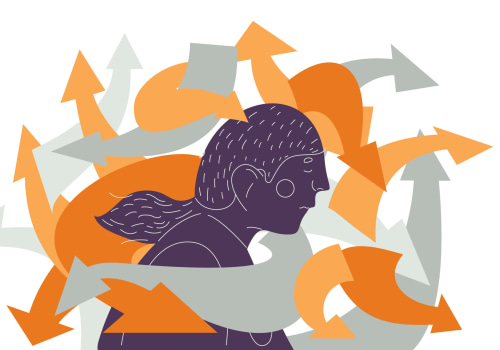
Anxiety is a common mental health condition that affects millions of individuals worldwide. It manifests as a persistent feeling of worry, fear, or apprehension, often accompanied by physical symptoms such as increased heart rate, sweating, and restlessness. Understanding anxiety is crucial for recognizing its impact on mental wellness. When left unaddressed, anxiety can lead to significant disruptions in daily life, affecting relationships, work performance, and overall quality of life. The symptoms of anxiety can vary widely from person to person.
Some may experience mild unease, while others may face debilitating panic attacks. Common symptoms include excessive worrying, irritability, difficulty concentrating, and sleep disturbances. These manifestations not only hinder personal well-being but also contribute to a cycle of stress that can exacerbate existing mental health issues. As we delve deeper into the topic of mental wellness and anxiety care, it is essential to recognize how anxiety can create a ripple effect on one’s emotional and psychological state. The constant state of alertness and fear can lead to feelings of isolation and hopelessness, making it imperative to explore effective remedies that promote healing and balance.
By understanding the roots and repercussions of anxiety, we can better appreciate the natural remedies available to alleviate its symptoms and foster a healthier mindset.
The Importance of Mental Wellness in Anxiety Management
Understanding the connection between mental wellness and anxiety management is crucial for anyone seeking to alleviate anxiety symptoms. Mental wellness encompasses a state of well-being where individuals can cope with the stresses of life, work productively, and contribute to their communities. When mental wellness is prioritized, it can significantly enhance one’s ability to manage anxiety.One of the key aspects of anxiety management is recognizing that anxiety often stems from a lack of balance in various areas of life. By focusing on holistic approaches that promote mental wellness, individuals can create a foundation for reducing anxiety symptoms.Here are some benefits of maintaining good mental wellness:
- Improved Resilience: A strong mental wellness framework helps individuals bounce back from stressors more effectively, reducing the likelihood of anxiety spiraling out of control.
- Enhanced Emotional Regulation: Individuals with good mental wellness are better equipped to manage their emotions, leading to fewer anxiety episodes.
- Increased Self-Awareness: Fostering mental wellness encourages self-reflection, allowing individuals to identify triggers and develop coping strategies.
- Stronger Support Systems: Engaging in activities that promote mental wellness often leads to building supportive relationships, which are vital for managing anxiety.
Natural Remedies for Reducing Anxiety Symptoms
When it comes to mental wellness & anxiety care, exploring natural remedies for anxiety can be a beneficial approach. Many individuals seek alternatives to conventional treatments, and several options have shown promise in alleviating anxiety symptoms.Herbal Treatments
Herbal remedies have been used for centuries to promote relaxation and reduce anxiety.Some of the most effective herbs include:
- Chamomile: Known for its calming effects, chamomile tea can help soothe the mind and body.
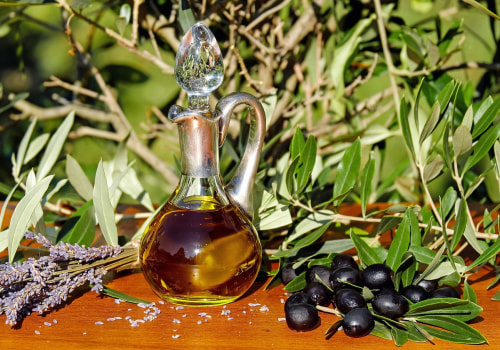
- Lavender: The scent of lavender has been shown to reduce anxiety levels. Consider using lavender essential oil in a diffuser or adding it to a warm bath.
- Passionflower: This herb may help increase levels of gamma-aminobutyric acid (GABA) in the brain, promoting relaxation.
- Valerian Root: Often used as a sleep aid, valerian root can also help reduce anxiety and improve overall mood.
Lifestyle Changes
Incorporating certain lifestyle changes can significantly impact your anxiety levels. Here are some effective strategies:- Regular Exercise: Physical activity releases endorphins, which can improve mood and reduce stress. Aim for at least 30 minutes of moderate exercise most days of the week.
- Balanced Diet: Eating a diet rich in whole foods, including fruits, vegetables, lean proteins, and healthy fats, can support brain health and stabilize mood.
- Sufficient Sleep: Prioritizing quality sleep is crucial for mental wellness.
Establish a regular sleep schedule and create a restful environment to enhance sleep quality.
Mindfulness Techniques
Practicing mindfulness can help ground you in the present moment and alleviate feelings of anxiety. Consider these techniques:- Meditation: Regular meditation practice can help calm the mind and reduce anxious thoughts. Start with just a few minutes each day and gradually increase the duration.
- Deep Breathing Exercises: Focusing on your breath can help lower heart rate and promote relaxation. Try inhaling deeply through your nose, holding for a few seconds, and exhaling slowly through your mouth.
- Yoga: Combining physical movement with breath control, yoga is an excellent way to relieve tension and promote mental clarity.
Herbal Remedies: Nature's Solutions for Anxiety Relief
When it comes to mental wellness & anxiety care, many individuals are turning to nature for relief.Herbal remedies have been used for centuries to promote relaxation and reduce anxiety symptoms. Here are some of the most effective herbal options:
Chamomile
Chamomile is renowned for its calming properties. This gentle herb can help soothe the mind and body, making it an excellent choice for those experiencing anxiety. Studies have shown that chamomile may reduce symptoms of generalized anxiety disorder (GAD).You can enjoy chamomile as a tea, which is not only comforting but also easy to prepare. Simply steep chamomile flowers in hot water for about 5-10 minutes, strain, and sip.
Lavender
Another powerful herb is lavender, known for its pleasant aroma and calming effects. Lavender essential oil can be used in aromatherapy to alleviate anxiety and promote relaxation. You can diffuse lavender oil in your home, add a few drops to your bath, or apply it topically when diluted with a carrier oil.Additionally, drinking lavender tea can provide similar benefits.
Valerian Root
Valerian root is often used as a natural sleep aid, but it also has significant anxiety-reducing properties. It works by increasing levels of gamma-aminobutyric acid (GABA) in the brain, which helps calm the nervous system. Valerian root can be taken in capsule form or brewed as a tea. However, it's important to consult with a healthcare provider before starting any new herbal regimen, especially if you are taking other medications.Incorporating these herbal remedies for anxiety into your daily routine may provide the relief you seek.Always remember to start with small doses and monitor how your body responds. Nature offers a wealth of solutions for anxiety care, and these herbs are just the beginning of what can be explored.
Mindfulness and Meditation Techniques for Anxiety Reduction
Incorporating mindfulness and meditation techniques into your daily routine can significantly alleviate anxiety symptoms and enhance your overall mental wellness. These practices encourage a state of awareness and presence, allowing you to manage stress more effectively.Mindfulness Techniques
Mindfulness involves paying attention to the present moment without judgment. Here are some effective techniques:- Body Scan: Lie down comfortably and focus on each part of your body, starting from your toes and moving up to your head.
Notice any sensations, tension, or relaxation.
- Mindful Eating: During meals, take time to savor each bite. Pay attention to the flavors, textures, and aromas of your food, which can help ground you in the moment.
- Nature Walks: Spend time outdoors, focusing on the sights, sounds, and smells around you. This connection with nature can enhance your sense of peace.
Meditation for Anxiety
Meditation is a powerful tool for reducing anxiety. Here are a few techniques to try:- Guided Meditation: Use apps or online resources that offer guided sessions specifically designed for anxiety relief.
These can help you focus and relax.
- Loving-Kindness Meditation: This practice involves sending positive thoughts and wishes to yourself and others, fostering compassion and reducing feelings of isolation.
- Breath Awareness: Focus on your breath as it flows in and out. Count each inhale and exhale to maintain concentration and calm your mind.
Breathing Exercises
Breathing exercises are simple yet effective methods for managing anxiety. Here are a couple of techniques:- 4-7-8 Breathing: Inhale through your nose for 4 seconds, hold your breath for 7 seconds, then exhale slowly through your mouth for 8 seconds. Repeat this cycle several times.
- Box Breathing: Inhale for 4 seconds, hold for 4 seconds, exhale for 4 seconds, and hold again for 4 seconds before repeating.
This technique helps regulate your breath and calm your mind.
The Role of Physical Activity in Managing Anxiety
Engaging in regular physical activity is one of the most effective natural remedies for managing anxiety symptoms. Exercise not only boosts physical health but also plays a crucial role in enhancing mental wellness. When you engage in physical activities, your body releases endorphins, often referred to as "feel-good" hormones, which can help alleviate feelings of anxiety and stress.Exercise for anxiety
can take many forms, from brisk walking and jogging to more structured workouts like weightlifting or group classes. The key is to find an activity that you enjoy, as this will make it easier to stick with a routine.Here are some benefits of incorporating physical activity into your daily life:
- Reduces Stress: Physical activity helps lower levels of the body’s stress hormones, such as adrenaline and cortisol.
- Improves Sleep: Regular exercise can help you fall asleep faster and deepen your sleep, which is essential for mental health.
- Boosts Self-Esteem: Achieving fitness goals, no matter how small, can enhance your self-confidence and overall sense of well-being.
- Provides Social Interaction: Group exercises or team sports can foster social connections, reducing feelings of isolation that often accompany anxiety.
Nutrition and Diet: Fueling Mental Wellness
Nutrition plays a crucial role in mental wellness, particularly when it comes to managing anxiety symptoms.The foods we consume can significantly impact our mood and overall mental health. By incorporating specific nutrients into your diet, you can help alleviate feelings of anxiety and promote a sense of calm.
Foods That Reduce Anxiety
Several foods are known for their potential to reduce anxiety:- Fatty Fish: Rich in omega-3 fatty acids, fish like salmon and mackerel can help lower anxiety levels. Omega-3s are essential for brain health and have been linked to reduced symptoms of anxiety.
- Nuts and Seeds: Almonds, walnuts, and pumpkin seeds are packed with magnesium, which is known to help regulate mood and reduce anxiety.
- Berries: Blueberries and strawberries are high in antioxidants, which can combat oxidative stress and inflammation in the brain, potentially easing anxiety.
- Leafy Greens: Spinach and kale are rich in folate, a nutrient that has been associated with lower levels of anxiety. Folate helps produce dopamine, a neurotransmitter that promotes feelings of well-being.
- Whole Grains: Foods like oatmeal and brown rice can stabilize blood sugar levels, which may help prevent mood swings and anxiety spikes.
The Importance of a Balanced Diet
A balanced diet that includes a variety of these foods can support nutrition and mental health.It's essential to focus on whole, unprocessed foods while minimizing sugar and refined carbohydrates, which can lead to energy crashes and increased anxiety.Additionally, staying hydrated is vital for maintaining optimal brain function. Dehydration can lead to irritability and increased feelings of anxiety. Aim to drink plenty of water throughout the day to support your mental wellness journey.Incorporating these dietary changes not only supports your physical health but also fosters a more resilient mind. By prioritizing nutrition as part of your anxiety care, you can take significant steps toward achieving better mental wellness.
Creating a Supportive Environment for Mental Wellness
Creating a supportive environment is crucial for anyone dealing with anxiety.The spaces we inhabit and the people we surround ourselves with can significantly influence our mental health. A nurturing atmosphere can help alleviate anxiety symptoms and promote overall mental wellness.
Building a Support System
- Connect with Friends and Family: Having a reliable support system is essential. Reach out to friends and family who understand your struggles. Their presence can provide comfort and reassurance during anxious moments.
- Join Support Groups: Consider joining local or online support groups where you can share experiences and coping strategies with others facing similar challenges.
This sense of community can foster feelings of belonging and reduce isolation.
- Seek Professional Help: Don’t hesitate to consult mental health professionals. Therapists and counselors can offer tailored strategies to manage anxiety, helping you navigate your feelings in a safe space.
The Role of Environment
Your physical environment also plays a significant role in your mental health. Here are some tips to create a calming space:
- Declutter Your Space: A tidy environment can lead to a clearer mind. Take time to organize your living area, removing unnecessary items that may contribute to feelings of overwhelm.
- Add Natural Elements: Incorporate plants or natural light into your space.
Studies show that exposure to nature can reduce stress levels and enhance mood.
- Create a Relaxation Zone: Designate a specific area in your home for relaxation, equipped with comfortable seating, soothing colors, and calming scents. This can serve as your go-to spot for mindfulness practices or simply unwinding after a long day.
Social Connections for Anxiety Relief
Engaging in social activities can also be beneficial. Whether it’s participating in group exercises, attending workshops, or volunteering, these interactions can distract from anxious thoughts and foster positive relationships. Remember, the journey to managing anxiety is not one you have to take alone; building a supportive network is key to achieving lasting anxiety relief.
FAQs About Natural Remedies for Anxiety Symptoms
When exploring natural remedies for anxiety symptoms, many individuals have questions about their effectiveness, safety, and overall impact on mental wellness & anxiety care.Here are some frequently asked questions that can help clarify these concerns.
What are some common natural remedies for anxiety?
- Herbal supplements: Popular options include chamomile, lavender, and ashwagandha, known for their calming properties.
- Aromatherapy: Essential oils like bergamot and frankincense can promote relaxation when diffused or applied topically.
- Meditation and mindfulness: Practices that focus on breathing and present-moment awareness can significantly reduce anxiety levels.
- Physical activity: Regular exercise releases endorphins, which can improve mood and alleviate anxiety symptoms.
How effective are natural treatments for anxiety?
The effectiveness of natural remedies can vary from person to person. While some individuals report significant improvements in their anxiety symptoms, others may find limited relief. Research suggests that combining natural remedies with traditional therapies, such as cognitive-behavioral therapy (CBT), often yields the best results. It's essential to approach these remedies with realistic expectations and monitor their effects on your mental health.Are herbal remedies safe to use?
While many herbal remedies are considered safe for most people, they can interact with medications or cause side effects in some individuals.It is crucial to consult with a healthcare professional before starting any new supplement, especially if you are pregnant, nursing, or have pre-existing health conditions. Additionally, ensure you source your herbal products from reputable suppliers to avoid contaminants.In summary, understanding the nuances of natural remedies for anxiety symptoms can empower individuals to make informed decisions about their mental wellness & anxiety care. Always prioritize safety and consult with professionals when necessary.
Conclusion: Embracing Natural Approaches to Mental Wellness and Anxiety Care
In conclusion, embracing natural remedies for managing anxiety symptoms can significantly enhance your journey towards mental wellness. Throughout this article, we explored various approaches that not only alleviate anxiety but also promote overall well-being. From the calming effects of herbal teas like chamomile and lavender to the grounding practices of mindfulness meditation and yoga, these natural methods offer a holistic way to address anxiety.Incorporating regular physical activity, such as walking or dancing, can also release endorphins, which are essential for improving mood and reducing stress. Moreover, we discussed the importance of a balanced diet rich in omega-3 fatty acids, antioxidants, and vitamins that support brain health. Foods like fatty fish, nuts, and leafy greens can play a crucial role in stabilizing your mood and enhancing your mental resilience. Additionally, establishing a consistent sleep routine is vital for anxiety care. Quality sleep not only helps in reducing anxiety symptoms but also improves cognitive function and emotional regulation. Ultimately, while these natural remedies can be effective, it’s essential to remember that they work best when integrated into a comprehensive approach to mental wellness. Consulting with healthcare professionals can provide personalized guidance tailored to your specific needs. By prioritizing these natural strategies, you can cultivate a more balanced lifestyle that fosters resilience against anxiety.
Embrace these practices as part of your daily routine and take proactive steps towards achieving lasting mental wellness.