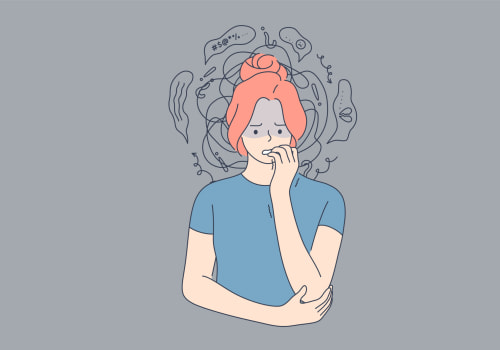
Mental wellness is a multifaceted concept that encompasses emotional, psychological, and social well-being. It affects how we think, feel, and act, influencing our ability to handle stress, relate to others, and make choices. In today's fast-paced society, where the pressures of daily life can lead to heightened levels of anxiety, understanding the nuances of mental wellness becomes increasingly vital. Anxiety, characterized by feelings of worry, fear, or unease, can significantly impact one's quality of life and overall mental health. The interconnection between mental wellness and anxiety is profound.
When individuals experience high levels of anxiety, their mental wellness often deteriorates, leading to a cycle that can be difficult to break. Conversely, fostering a state of mental wellness can serve as a protective factor against anxiety disorders. This relationship highlights the importance of adopting practices that enhance emotional well-being and resilience. In recent years, there has been a growing interest in the role of gratitude in promoting mental wellness and alleviating anxiety. Research suggests that cultivating a sense of gratitude can lead to improved emotional health by shifting focus from negative thoughts to positive experiences.
This shift not only enhances overall well-being but also equips individuals with tools to better manage anxiety. As we delve deeper into this topic, it becomes clear that understanding the dynamics of mental wellness and anxiety is crucial for developing effective strategies for anxiety care and emotional resilience.
The Science Behind Gratitude
Understanding the science of gratitude reveals its profound impact on mental wellness and anxiety care. Numerous studies have shown that practicing gratitude can lead to significant psychological benefits, enhancing overall well-being. Research indicates that individuals who regularly engage in gratitude exercises, such as keeping a gratitude journal or expressing thanks, experience lower levels of anxiety and depression. A study published in the Journal of Personality and Social Psychology found that participants who wrote about their grateful feelings reported higher levels of positive emotions and life satisfaction compared to those who focused on daily hassles.The Psychological Benefits
The psychological benefits of gratitude extend beyond mere mood enhancement.Gratitude fosters a sense of connection and belonging, which is crucial for mental wellness. When individuals acknowledge the positive aspects of their lives, they shift their focus away from negative thoughts and anxieties. This cognitive shift can lead to:
- Improved emotional regulation: Grateful individuals are better equipped to manage their emotions, leading to reduced anxiety levels.
- Enhanced resilience: Practicing gratitude helps build resilience against stressors, making it easier to cope with challenges.
- Increased optimism: Gratitude encourages a more positive outlook on life, which can mitigate feelings of anxiety.
Physiological Effects
A study in the Journal of Clinical Psychology found that participants who practiced gratitude reported better sleep patterns and less insomnia. Furthermore, gratitude has been linked to lower blood pressure and improved heart health, contributing to overall physical wellness. In conclusion, the research on gratitude underscores its importance as a tool for enhancing mental wellness and managing anxiety. By incorporating gratitude practices into daily life, individuals can experience both psychological and physiological benefits that contribute to a healthier, more balanced life.
How Gratitude Affects Mental Wellness
Practicing gratitude has been shown to have a profound impact on mental wellness, particularly in reducing anxiety levels and enhancing emotional health. When individuals regularly engage in gratitude practices, such as keeping a gratitude journal or expressing thanks to others, they often experience significant improvements in their overall mood.One of the key benefits of gratitude is its ability to shift focus from negative thoughts to positive experiences.This cognitive shift can lead to:
- Increased Resilience: Regularly acknowledging what we are thankful for helps build resilience against stress and anxiety. It encourages a more optimistic outlook, making it easier to cope with challenges.
- Enhanced Emotional Health: Gratitude fosters positive emotions, which can counteract feelings of sadness and anxiety. Studies have shown that individuals who practice gratitude report higher levels of happiness and lower levels of depression.
- Improved Relationships: Expressing gratitude can strengthen social bonds, leading to more supportive relationships. Stronger connections with others can provide emotional support during difficult times, further enhancing mental wellness.
This biochemical response not only uplifts spirits but also promotes a sense of well-being.Incorporating gratitude into daily routines can be simple yet effective. Here are a few practical ways to practice gratitude:
- Gratitude Journaling: Spend a few minutes each day writing down things you are grateful for.
- Thank You Notes: Write notes to people who have positively impacted your life.
- Meditation on Gratitude: Dedicate time to meditate on the things you appreciate in your life.
Gratitude as a Tool for Managing Anxiety
Practicing gratitude has emerged as a powerful tool for managing anxiety, offering individuals a pathway to enhance their mental wellness while effectively addressing their anxiety levels. By shifting focus from negative thoughts to positive experiences, gratitude can create a buffer against the overwhelming feelings often associated with anxiety.One effective technique for incorporating gratitude into daily life is through the practice of keeping a gratitude journal.This involves setting aside a few minutes each day to write down three to five things you are grateful for. This simple act not only helps in recognizing the positive aspects of life but also fosters a sense of appreciation that can counteract anxious thoughts.Another strategy is to engage in mindfulness meditation that emphasizes gratitude. During these sessions, individuals can focus on specific moments or people they appreciate, allowing feelings of warmth and contentment to replace anxiety-driven thoughts. Research indicates that such practices can lead to reduced levels of stress and improved emotional regulation.
- Expressing Gratitude: Take time to express your appreciation to others, whether through a handwritten note or a simple verbal acknowledgment.
This not only strengthens relationships but also reinforces your own feelings of gratitude.
- Gratitude Reminders: Place reminders around your living space—like sticky notes with positive affirmations or quotes about gratitude—to keep your mind focused on the good throughout the day.
- Gratitude Visualization: Spend a few moments visualizing the people and experiences you are thankful for. This mental exercise can help ground you in the present and alleviate feelings of anxiety.
Practical Ways to Practice Gratitude Daily
Integrating gratitude into your daily routine can significantly enhance mental wellness and reduce anxiety levels.Here are some practical ways to practice gratitude every day:
- Gratitude Journaling: Set aside a few minutes each day to write down three things you are grateful for. This simple exercise helps shift your focus from negative thoughts to positive experiences.
- Morning Affirmations: Start your day with positive affirmations that express gratitude. For example, say, "I am grateful for the opportunities today will bring." This sets a positive tone for the day.
- Gratitude Jar: Keep a jar where you can drop in notes of things you are thankful for throughout the week. At the end of the week or month, read through them to remind yourself of the good in your life.
- Mindful Moments: Take a few moments during your day to pause and reflect on what you appreciate in that moment.
Whether it’s a warm cup of coffee or a friendly smile, acknowledging these small joys can boost your mood.
- Express Gratitude to Others: Make it a habit to thank someone each day, whether it’s a colleague, friend, or family member. A simple "thank you" can strengthen relationships and enhance your sense of connection.
Real-Life Stories: The Impact of Gratitude on Mental Wellness and Anxiety
Many individuals have found that practicing gratitude significantly enhances their mental wellness and reduces anxiety levels. Here are some inspiring testimonials that illustrate the transformative power of gratitude.- Emily, 29: "After struggling with anxiety for years, I started a gratitude journal.
Each night, I write down three things I’m thankful for. This simple practice shifted my focus from what’s wrong in my life to what’s going well. I feel more at peace and my anxiety has lessened considerably."
- James, 34: "I was skeptical about gratitude exercises at first, but I decided to give it a try during therapy. I began expressing gratitude to my friends and family regularly.
Not only did it strengthen my relationships, but it also helped me feel more grounded and less anxious about daily challenges."
- Sophia, 22: "In college, the pressure was overwhelming, and I often felt anxious. A mentor suggested I practice gratitude by sending thank-you notes to people who had impacted my life. This not only made me feel good but also created a positive feedback loop that improved my overall mood and mental health."
As John, a 45-year-old father of two, shares:
"I started a family tradition where we share one thing we’re grateful for at dinner each night. It’s become a cherished moment that not only brings us closer but also helps us all manage stress better together."These stories serve as powerful reminders that the practice of gratitude is not just a fleeting trend; it is a meaningful tool for enhancing mental wellness and effectively managing anxiety.
FAQs About Gratitude, Mental Wellness, and Anxiety Care
Practicing gratitude has gained attention for its potential benefits on mental wellness and anxiety care. Here are some frequently asked questions that can help clarify its impact:- What is gratitude?
Gratitude is the practice of recognizing and appreciating the positive aspects of life, whether they are big or small. It involves acknowledging what we have rather than focusing on what we lack. - How does gratitude affect mental wellness?
Research indicates that regularly practicing gratitude can lead to improved mental wellness.It can enhance mood, increase feelings of happiness, and reduce symptoms of depression. By shifting focus from negative thoughts to positive experiences, individuals often find a greater sense of fulfillment.
- Can gratitude help with anxiety?
Yes, practicing gratitude can significantly lower anxiety levels. By fostering a mindset of appreciation, individuals may experience reduced stress and a greater ability to cope with challenges. This shift in perspective can help mitigate feelings of anxiety. - What are some ways to practice gratitude?
There are various methods to incorporate gratitude into daily life, including:- Keeping a gratitude journal where you write down things you are thankful for each day.
- Expressing appreciation to others through notes or verbal acknowledgments.
- Engaging in mindfulness practices that focus on the present moment and recognizing positive experiences.
- Is there scientific evidence supporting the benefits of gratitude?
Numerous studies have shown that individuals who practice gratitude report higher levels of well-being and lower levels of anxiety.These findings suggest that gratitude can be a powerful tool in anxiety care.