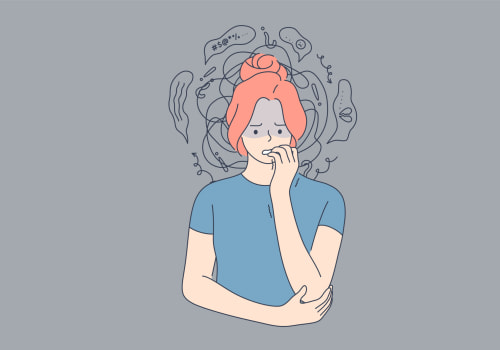
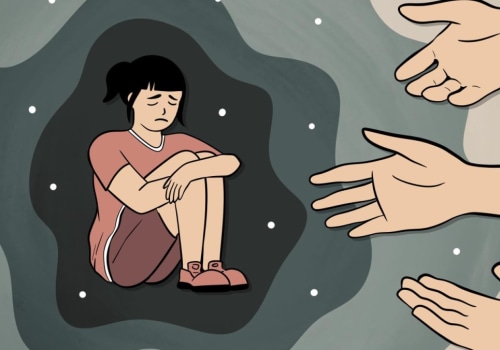
Trauma is a profound psychological response to distressing events that can significantly alter an individual's mental landscape. It encompasses a wide range of experiences, from personal loss and abuse to natural disasters and accidents. The effects of trauma are not merely temporary; they can linger long after the initial event, leading to a cascade of emotional and psychological challenges. Understanding the nature of trauma is crucial for grasping its impact on mental wellness and the development of anxiety disorders. When an individual experiences trauma, their brain undergoes significant changes.
These alterations can affect how they process emotions, respond to stress, and interact with others. For many, trauma can lead to heightened states of anxiety, where the mind remains in a constant state of alertness, anticipating danger even in safe environments. This hyper-vigilance is a hallmark of anxiety disorders and can severely hinder one's ability to maintain mental wellness. The psychological scars left by traumatic experiences often manifest as intrusive thoughts, flashbacks, and overwhelming feelings of fear or helplessness. Moreover, the impact of trauma extends beyond the individual; it can ripple through families and communities, affecting relationships and social dynamics.
Those who have experienced trauma may struggle with trust issues or find it difficult to form healthy connections with others. This isolation can exacerbate feelings of anxiety and depression, creating a vicious cycle that further undermines mental wellness. By recognizing the profound effects of trauma, we can better understand its role in shaping mental health outcomes and the importance of effective anxiety care.
How Trauma Contributes to Anxiety Disorders
Trauma can have profound effects on an individual's mental wellness, often serving as a catalyst for the development of anxiety disorders. When a person experiences a traumatic event, their brain undergoes significant changes that can lead to heightened anxiety responses.This section explores how trauma contributes to anxiety disorders, including specific conditions such as Post-Traumatic Stress Disorder (PTSD) and generalized anxiety disorder.
Understanding the Mechanisms
- Hyperarousal: Trauma can trigger a state of hyperarousal, where the individual remains in a constant state of alertness. This heightened state can lead to excessive worry and anxiety, characteristic of various anxiety disorders.
- Memory and Processing: Traumatic experiences can alter how memories are processed. Individuals may relive the trauma through flashbacks or intrusive thoughts, which can exacerbate feelings of anxiety.
- Emotional Regulation: Trauma often disrupts emotional regulation, making it difficult for individuals to manage their feelings. This dysregulation can lead to overwhelming anxiety in response to stressors that may not have previously triggered such reactions.
Specific Examples
- PTSD: Individuals with PTSD may experience severe anxiety as they confront reminders of their trauma.
Symptoms include nightmares, severe anxiety attacks, and avoidance behaviors that can significantly impair daily functioning.
- Generalized Anxiety Disorder: Trauma survivors may develop generalized anxiety disorder, characterized by persistent and excessive worry about various aspects of life. This condition often stems from the inability to cope with the aftermath of trauma.
The Role of Mental Wellness in Managing Anxiety Disorders
Understanding the connection between mental wellness and anxiety disorders is crucial for effective anxiety care. Mental wellness encompasses a range of practices and strategies that promote emotional health, resilience, and overall well-being.By prioritizing mental wellness, individuals can better manage anxiety symptoms and improve their quality of life.
Mental wellness strategies
can vary widely, but some effective approaches include:- Mindfulness and Meditation: Engaging in mindfulness practices helps individuals stay present and reduces anxiety by fostering a sense of calm. Regular meditation can also enhance emotional regulation.
- Physical Activity: Exercise is a powerful tool for improving mental health. It releases endorphins, which can alleviate feelings of anxiety and depression.
- Healthy Nutrition: A balanced diet rich in nutrients supports brain health. Foods high in omega-3 fatty acids, antioxidants, and vitamins can positively influence mood and anxiety levels.
- Social Support: Building strong relationships with friends and family provides a support network that can help individuals cope with stressors and reduce feelings of isolation.
- Therapeutic Interventions: Seeking professional help through therapy or counseling can provide valuable tools for managing anxiety.
Cognitive-behavioral therapy (CBT) is particularly effective in addressing negative thought patterns associated with anxiety disorders.
Coping Mechanisms and Therapeutic Approaches for Trauma and Anxiety
Understanding how to cope with trauma and its effects on mental wellness is crucial for those experiencing anxiety disorders.Various therapeutic approaches and coping strategies can significantly enhance an individual's ability to manage their symptoms and improve their overall quality of life.
Therapy for Trauma
One of the most effective ways to address trauma is through therapy. Several modalities have been developed specifically for this purpose:- Cognitive Behavioral Therapy (CBT): This evidence-based approach helps individuals identify and change negative thought patterns associated with trauma, thereby reducing anxiety.
- Eye Movement Desensitization and Reprocessing (EMDR): EMDR is particularly effective for trauma survivors, allowing them to process distressing memories while focusing on external stimuli.
- Trauma-Focused Therapy: This type of therapy specifically addresses the impact of trauma on mental health, helping individuals develop coping strategies tailored to their experiences.
Coping Strategies for Anxiety
In addition to professional therapy, individuals can adopt various coping strategies to manage anxiety:- Mindfulness and Meditation: Practicing mindfulness can help ground individuals in the present moment, reducing feelings of anxiety related to past trauma.
- Physical Activity: Regular exercise releases endorphins, which can improve mood and reduce anxiety levels.
- Journaling: Writing about feelings and experiences can provide an emotional outlet and help individuals process their thoughts more clearly.
Mental Wellness Techniques
Incorporating holistic techniques into daily routines can further support mental wellness:- Healthy Nutrition: A balanced diet rich in nutrients can positively affect mood and energy levels.
- Sufficient Sleep: Prioritizing sleep hygiene is essential for mental health recovery, as lack of sleep can exacerbate anxiety symptoms.
- Social Support: Building a strong support network can provide comfort and understanding, making it easier to cope with the effects of trauma.
Frequently Asked Questions About Trauma and Anxiety Disorders
Understanding the relationship between trauma and anxiety disorders is crucial for improving mental wellness. Here are some frequently asked questions that can shed light on this complex topic:- What is trauma? Trauma refers to the emotional and psychological response to distressing events, such as accidents, abuse, or natural disasters. It can lead to lasting effects on an individual's mental health.
- How does trauma contribute to anxiety disorders? Trauma can disrupt the brain's normal functioning, leading to heightened stress responses.
This disruption may manifest as anxiety disorders, where individuals experience excessive worry, panic attacks, or social anxiety.
- Can trauma affect mental wellness long-term? Yes, unresolved trauma can have long-lasting effects on mental wellness. Individuals may struggle with depression, low self-esteem, and difficulty in relationships, all of which can exacerbate anxiety symptoms.
- What are common symptoms of anxiety related to trauma? Symptoms may include persistent fear, avoidance of reminders of the traumatic event, irritability, sleep disturbances, and physical symptoms like increased heart rate.
- How can one manage anxiety stemming from trauma? Effective management strategies include therapy (such as cognitive-behavioral therapy), mindfulness practices, and support groups. These approaches can help individuals process their trauma and develop coping mechanisms.
- Is it possible to recover from trauma and improve mental wellness? Absolutely. With appropriate treatment and support, individuals can heal from trauma and enhance their mental wellness, leading to a reduction in anxiety symptoms.
Conclusion: The Interconnectedness of Trauma, Mental Wellness, and Anxiety Care
In conclusion, the intricate relationship between trauma, mental wellness, and anxiety care is crucial for understanding how to effectively manage anxiety disorders.Trauma can have profound effects on an individual’s mental health, often leading to heightened levels of anxiety and other emotional disturbances. Recognizing this connection is essential for both individuals and healthcare providers.Key points to consider include:
- Trauma's Lasting Impact: Experiences of trauma can alter brain chemistry and emotional regulation, making individuals more susceptible to anxiety disorders.
- Mental Wellness as a Foundation: Prioritizing mental wellness through self-care, therapy, and community support can mitigate the effects of trauma and reduce anxiety symptoms.
- Holistic Approaches: Integrating trauma-informed care into anxiety treatment plans can enhance recovery outcomes by addressing the root causes of anxiety rather than just the symptoms.
- Empowerment through Understanding: Educating individuals about the effects of trauma on mental health fosters resilience and encourages proactive steps towards healing.