Trauma is a profound experience that can leave lasting imprints on an individual’s mental wellness. Whether stemming from childhood experiences, accidents, or significant life events, the effects of trauma can manifest in various ways, often leading to heightened levels of anxiety and emotional distress. Understanding this connection is crucial for effective anxiety care, as it allows for a more tailored approach to treatment that addresses the root causes rather than merely the symptoms. When individuals experience trauma, their brains may undergo changes that affect their ability to process emotions and cope with stress. This can lead to a cycle where unresolved trauma exacerbates feelings of anxiety, creating a barrier to achieving optimal mental wellness.
For many, the aftermath of trauma can result in conditions such as PTSD, which further complicates their mental health landscape. Recognizing these patterns is essential for both individuals and mental health professionals in developing strategies that promote healing and resilience. Moreover, the stigma surrounding trauma and mental health can prevent individuals from seeking help. Many may feel isolated in their experiences, unaware that their struggles with anxiety are often intertwined with past traumas. By fostering an understanding of how trauma influences mental wellness, we can encourage open conversations about anxiety care and create supportive environments that empower individuals to seek the help they need.
Types of Trauma and Their Psychological Effects
Understanding the types of trauma is essential for grasping their profound impact on mental wellness and anxiety care.Trauma can be categorized into several types, each with unique psychological effects that can influence an individual's mental health.
Childhood Trauma
Childhood trauma refers to adverse experiences that occur during formative years, such as abuse, neglect, or witnessing violence. These experiences can lead to long-lasting psychological effects, including:- Attachment issues: Difficulty forming healthy relationships in adulthood.
- Anxiety disorders: Increased susceptibility to anxiety and panic attacks.
- Low self-esteem: A pervasive sense of worthlessness or inadequacy.
Post-Traumatic Stress Disorder (PTSD)
PTSD is a specific type of trauma response that can develop after experiencing or witnessing a traumatic event. Individuals with PTSD may experience:- Intrusive memories: Flashbacks or nightmares that disrupt daily life.
- Avoidance behaviors: Steering clear of reminders of the trauma, which can hinder recovery.
- Hyperarousal: Heightened anxiety and an exaggerated startle response.
Recognizing the specific type of trauma is crucial for effective anxiety care, as it allows mental health professionals to tailor interventions that address the unique needs of individuals affected by these experiences.In summary, understanding the various types of trauma and their psychological effects is vital for promoting better mental wellness. By acknowledging these factors, individuals can seek appropriate support and develop healthier coping mechanisms in their journey toward recovery.
How Trauma Influences Anxiety Disorders
Trauma can have a profound impact on mental wellness, particularly in the context of anxiety disorders. Individuals who have experienced traumatic events often find themselves grappling with heightened levels of anxiety, which can manifest in various forms, including generalized anxiety disorder, panic disorder, and post-traumatic stress disorder (PTSD).Understanding the Connection
The relationship between trauma and anxiety is complex. Trauma can trigger a cascade of physiological and psychological responses that contribute to the development of anxiety symptoms.
For instance, when a person experiences a traumatic event, their body may enter a state of hyperarousal, leading to persistent feelings of fear and apprehension. This state can result in symptoms such as:
- Increased heart rate
- Shortness of breath
- Excessive worry
- Sleep disturbances
- Avoidance behaviors
Case Studies Illustrating the Impact
Consider the case of Sarah, a 30-year-old woman who experienced a severe car accident. Following the incident, she developed PTSD characterized by flashbacks and severe anxiety whenever she was in a vehicle. Her symptoms not only affected her daily life but also strained her relationships and work performance.Another example is John, a veteran who faced combat trauma.
He struggled with generalized anxiety disorder, which manifested as constant worry about his safety and the safety of his loved ones. His experiences highlight how trauma can lead to chronic anxiety, affecting both mental wellness and overall quality of life.These cases underscore the importance of recognizing the link between trauma and anxiety disorders. Understanding this relationship is crucial for effective anxiety care, as it allows for tailored therapeutic approaches that address both the trauma and its lingering effects on mental health.
The Role of Mental Wellness in Anxiety Care
Understanding the connection between mental wellness and anxiety care is crucial for effective management of anxiety disorders. A strong foundation in mental wellness can significantly enhance an individual's ability to cope with anxiety, leading to improved overall health and well-being.Mental wellness strategies
play a vital role in anxiety management.These strategies can include:
- Mindfulness and Meditation: Practicing mindfulness helps individuals stay present, reducing the tendency to ruminate on anxious thoughts. Meditation can also promote relaxation and decrease stress levels.
- Physical Activity: Regular exercise is known to release endorphins, which can improve mood and reduce anxiety symptoms. Activities like yoga or tai chi combine physical movement with mindfulness, offering dual benefits.
- Healthy Nutrition: A balanced diet rich in nutrients supports brain health. Foods high in omega-3 fatty acids, antioxidants, and vitamins can positively influence mood and anxiety levels.
Holistic methods consider the whole person—mind, body, and spirit—allowing for a more comprehensive treatment plan. Some effective holistic approaches include:
- Aromatherapy: Essential oils like lavender and chamomile can promote relaxation and reduce feelings of anxiety when used in diffusers or during massages.
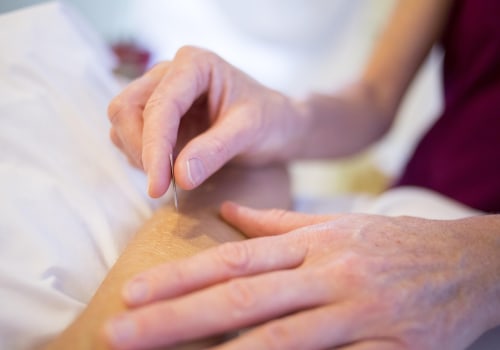
- Acupuncture: This traditional Chinese medicine technique may help alleviate anxiety symptoms by balancing energy flow within the body.
- Cognitive Behavioral Therapy (CBT): While not strictly holistic, CBT focuses on changing negative thought patterns that contribute to anxiety, making it a valuable tool in mental wellness.
Therapeutic Approaches for Trauma-Informed Care
When addressing the complex interplay between trauma and mental wellness & anxiety care, it is essential to adopt a trauma-informed care approach. This methodology recognizes the widespread impact of trauma and emphasizes the importance of understanding its effects on individuals' mental health.Several therapeutic approaches have proven effective in treating individuals with a history of trauma, particularly those experiencing anxiety:- Cognitive Behavioral Therapy (CBT): CBT is a widely used therapy that helps individuals identify and challenge negative thought patterns associated with trauma.
By reframing these thoughts, clients can reduce anxiety and improve their overall mental wellness.
- Eye Movement Desensitization and Reprocessing (EMDR): EMDR is specifically designed for trauma recovery. It involves processing distressing memories while focusing on external stimuli, which can help alleviate the emotional charge associated with traumatic experiences.
- Somatic Experiencing: This body-oriented therapy focuses on the physical sensations related to trauma. By helping clients reconnect with their bodies, somatic experiencing can facilitate healing and reduce anxiety symptoms.
- Mindfulness-Based Stress Reduction (MBSR): MBSR incorporates mindfulness practices to help individuals stay present and manage anxiety. This approach can be particularly beneficial for those with a trauma history, as it encourages self-awareness and emotional regulation.
- Group Therapy: Participating in group therapy can provide a supportive environment where individuals share their experiences and learn from others.
This communal aspect can foster a sense of belonging and reduce feelings of isolation often associated with trauma.
Self-Care Practices to Enhance Mental Wellness
Enhancing mental wellness and effectively managing anxiety requires a proactive approach to self-care. Implementing practical strategies can significantly improve emotional resilience and overall well-being.Mindfulness Practices
Mindfulness is a powerful tool for cultivating awareness and reducing anxiety. Here are some effective mindfulness practices:- Breathing Exercises: Focus on your breath by inhaling deeply through your nose, holding for a few seconds, and exhaling slowly through your mouth.
Repeat this for several minutes to calm your mind.
- Body Scan Meditation: Lie down comfortably and mentally scan your body from head to toe, noticing any tension or discomfort. This practice helps in grounding yourself and releasing stress.
- Mindful Walking: Take a walk in nature or around your home while paying attention to the sensations of your feet touching the ground, the sounds around you, and the rhythm of your breath.
Coping Strategies for Anxiety
In addition to mindfulness, incorporating specific coping strategies can help manage anxiety effectively:- Journaling: Write down your thoughts and feelings regularly. This practice can help you process emotions and identify triggers that contribute to anxiety.
- Establishing Routines: Create a daily routine that includes time for work, relaxation, and self-care. Predictability can provide a sense of control and reduce anxiety levels.
- Limit Screen Time: Reducing exposure to screens, especially before bedtime, can improve sleep quality and decrease anxiety related to social media or news consumption.
Self-Care Activities
Engaging in self-care activities is essential for maintaining mental wellness.Consider incorporating the following into your routine:
- Physical Activity: Regular exercise releases endorphins, which can enhance mood and reduce anxiety. Aim for at least 30 minutes of moderate activity most days.
- Nourishing Your Body: A balanced diet rich in fruits, vegetables, whole grains, and lean proteins supports brain health and emotional stability.
- Sufficient Sleep: Prioritize sleep by establishing a calming bedtime routine. Aim for 7-9 hours of quality sleep each night to support mental clarity and emotional regulation.
Frequently Asked Questions About Trauma and Anxiety Care
Understanding the relationship between trauma and mental wellness is crucial for effective anxiety care. Here are some frequently asked questions that can help clarify this complex topic:- How does trauma impact mental wellness?
Trauma can lead to a range of mental health issues, including anxiety, depression, and PTSD.The brain's response to trauma can alter its chemistry and functioning, making it harder for individuals to cope with stress and maintain emotional balance.
- What are common symptoms of anxiety related to trauma?
Symptoms may include persistent worry, restlessness, difficulty concentrating, and physical symptoms like increased heart rate or sweating. Individuals may also experience flashbacks or intrusive thoughts related to the traumatic event. - Can therapy help with trauma-related anxiety?
Yes, various therapeutic approaches such as Cognitive Behavioral Therapy (CBT), Eye Movement Desensitization and Reprocessing (EMDR), and mindfulness practices can be effective in addressing trauma and improving mental wellness. - Is medication necessary for anxiety care?
While medication can be beneficial for some individuals, it is not always necessary. A comprehensive treatment plan that includes therapy, lifestyle changes, and support systems is often more effective. - How can I support someone dealing with trauma and anxiety?
Listening without judgment, encouraging professional help, and being patient are key ways to support someone facing these challenges. It’s important to create a safe space where they feel comfortable sharing their experiences.
Conclusion: Moving Towards Healing and Resilience
In conclusion, understanding the intricate relationship between trauma, mental wellness, and anxiety care is crucial for fostering healing and resilience.Throughout this article, we have explored how a history of trauma can significantly impact an individual's mental health, often leading to heightened anxiety and other emotional challenges. Recognizing these connections is the first step towards effective treatment and recovery.It is essential to acknowledge that trauma does not define a person; rather, it shapes their experiences and responses. By addressing the underlying effects of trauma, individuals can begin to reclaim their sense of self and improve their overall mental wellness. Here are some key takeaways:
- Trauma-Informed Care: Approaches that consider the impact of trauma can enhance anxiety care, allowing for more personalized and effective treatment plans.
- Resilience Building: Fostering resilience through therapy, support groups, and self-care practices can empower individuals to navigate their anxiety more effectively.
- Holistic Approaches: Integrating mindfulness, physical activity, and healthy lifestyle choices can significantly improve both mental wellness and anxiety management.
By prioritizing mental wellness and seeking appropriate anxiety care, individuals can transform their experiences of trauma into pathways for growth and resilience. Ultimately, embracing this journey can lead to a more fulfilling life, free from the constraints of past traumas.