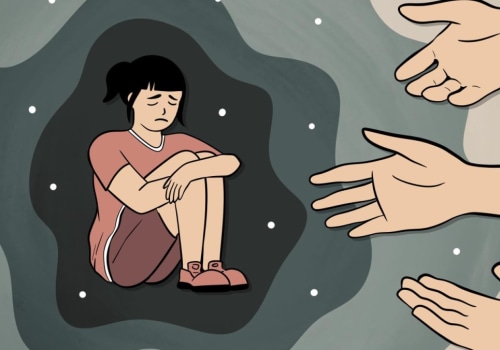
Anxiety is a common experience that can significantly impact an individual's mental wellness. It manifests in various forms, from mild unease to debilitating panic attacks, affecting daily functioning and overall quality of life. Understanding the connection between mental health and anxiety is crucial for those seeking effective anxiety care. Mental wellness encompasses emotional, psychological, and social well-being, influencing how we think, feel, and act.
When anxiety disrupts this balance, it can lead to a cycle of distress that further deteriorates mental health. Therapy serves as a vital tool in breaking this cycle. By providing a safe space for individuals to explore their thoughts and feelings, therapy helps identify the root causes of anxiety. This process not only fosters self-awareness but also equips individuals with coping strategies to manage their symptoms effectively. The therapeutic relationship itself can enhance mental wellness, offering support and validation that many may lack in their daily lives. Moreover, therapy encourages the development of resilience, enabling individuals to face challenges with greater confidence.
As clients learn to navigate their anxiety through various therapeutic techniques—such as cognitive-behavioral therapy (CBT), mindfulness practices, or exposure therapy—they often find that their overall mental health improves. This holistic approach underscores the importance of addressing both anxiety and broader mental wellness in tandem, paving the way for a healthier, more fulfilling life.
What is Anxiety? Understanding the Basics
Anxiety is a natural response to stress, characterized by feelings of worry, fear, or apprehension. It can manifest in various ways and is often a normal part of life. However, when these feelings become overwhelming or persistent, they may indicate an anxiety disorder.There are several types of anxiety disorders, each with its own unique features:- Generalized Anxiety Disorder (GAD): This involves excessive worry about various aspects of life, such as health, work, and social interactions.
- Panic Disorder: Characterized by recurrent panic attacks, which are sudden periods of intense fear that trigger severe physical reactions.
- Social Anxiety Disorder: This disorder leads to significant anxiety in social situations, often resulting in avoidance of social interactions.
- Specific Phobias: These involve intense fear of specific objects or situations, such as heights or spiders.
- Obsessive-Compulsive Disorder (OCD): This disorder is marked by unwanted thoughts (obsessions) and repetitive behaviors (compulsions) aimed at reducing anxiety.
- Post-Traumatic Stress Disorder (PTSD): This can develop after experiencing or witnessing a traumatic event, leading to flashbacks and severe anxiety.
- Physical Symptoms: These may include increased heart rate, sweating, trembling, fatigue, and muscle tension.
- Cognitive Symptoms: Individuals may experience difficulty concentrating, racing thoughts, or a sense of impending doom.
- Behavioral Symptoms: Avoidance of certain situations or places that trigger anxiety is common.
By identifying the type and symptoms of anxiety one experiences, individuals can seek appropriate help and support.
The Importance of Therapy in Anxiety Management
Therapy plays a crucial role in managing anxiety, offering individuals a safe space to explore their feelings and develop effective coping strategies. One of the primary benefits of therapy is its ability to provide tailored support that addresses the unique challenges faced by each person. Through various therapeutic approaches, individuals can learn to identify triggers, understand their anxiety patterns, and implement practical solutions.Benefits of Therapy for Anxiety
- Emotional Support: Therapy provides a non-judgmental environment where individuals can express their fears and concerns openly. This emotional support is vital for those struggling with anxiety, as it helps reduce feelings of isolation.
- Coping Strategies: Therapists equip clients with tools and techniques to manage anxiety symptoms effectively.
These may include mindfulness practices, cognitive-behavioral strategies, and relaxation exercises.
- Self-Discovery: Engaging in therapy encourages self-reflection, allowing individuals to gain insights into their thoughts and behaviors. This self-awareness is essential for making positive changes.
- Skill Development: Therapy can help individuals develop essential life skills such as problem-solving, communication, and stress management, which are beneficial not only for anxiety but for overall mental wellness.
It offers a comprehensive approach to understanding and managing anxiety, fostering resilience and promoting long-term mental wellness. Whether through individual sessions or group therapy, the support provided by mental health professionals is invaluable in navigating the complexities of anxiety.
Types of Therapy Effective for Anxiety Management
When it comes to managing anxiety, various therapeutic approaches can be highly effective. Each type of therapy offers unique strategies and techniques tailored to individual needs, making them valuable tools in the realm of mental wellness & anxiety care.Cognitive Behavioral Therapy (CBT)
Cognitive Behavioral Therapy, or CBT, is one of the most widely used therapies for anxiety management. This approach focuses on identifying and challenging negative thought patterns that contribute to anxiety.By helping individuals recognize these thoughts, CBT encourages the development of healthier thinking habits. Clients learn coping mechanisms and problem-solving skills that empower them to face their fears and reduce anxiety symptoms.
Exposure Therapy
Exposure Therapy is another effective method for treating anxiety, particularly phobias and social anxiety disorder. This therapy involves gradual exposure to the source of fear in a controlled environment. The goal is to desensitize the individual to the anxiety-provoking stimulus, allowing them to confront their fears without overwhelming distress.Over time, this process can significantly reduce anxiety levels and improve overall functioning.
Mindfulness-Based Therapy
Mindfulness-Based Therapy incorporates mindfulness practices into the therapeutic process. This approach teaches individuals to focus on the present moment and develop a non-judgmental awareness of their thoughts and feelings. By practicing mindfulness, clients can learn to observe their anxiety without becoming overwhelmed by it. This technique not only helps in managing anxiety but also promotes a greater sense of mental wellness by fostering emotional regulation and resilience.In summary, understanding the different types of therapy available for anxiety management is crucial for anyone seeking help.Whether through Cognitive Behavioral Therapy, Exposure Therapy, or Mindfulness-Based Therapy, each method provides valuable tools for individuals striving to achieve better mental health and manage their anxiety effectively.
How to Choose the Right Therapist for Anxiety Care
Choosing the right therapist for anxiety care is a crucial step in your journey towards mental wellness. With numerous options available, it can be overwhelming to find a mental health professional who meets your specific needs. Here are some key factors to consider when making your choice:- Qualifications and Credentials: Look for therapists who are licensed and have relevant qualifications. Common credentials include Licensed Professional Counselor (LPC), Licensed Clinical Social Worker (LCSW), or Psychologist (PhD or PsyD).
These qualifications ensure that the therapist has undergone rigorous training and adheres to professional standards.
- Specialization in Anxiety Disorders: Not all therapists specialize in anxiety. Seek out professionals who have experience and training specifically in treating anxiety disorders. This specialization can significantly enhance the effectiveness of your therapy.
- Therapeutic Approach: Different therapists use various therapeutic modalities, such as Cognitive Behavioral Therapy (CBT), Dialectical Behavior Therapy (DBT), or mindfulness-based approaches. Research these methods to find one that resonates with you and aligns with your goals for therapy.
This is an opportunity to assess their fit for your needs. Here are some questions you might ask during these consultations:
- What is your experience with treating anxiety?
- What therapeutic approaches do you use, and why?
- How do you measure progress in therapy?
- What can I expect from our sessions?
Integrating Therapy with Other Anxiety Management Strategies
Managing anxiety effectively often requires a multifaceted approach, and integrating therapy with other anxiety management strategies can significantly enhance overall mental wellness.While therapy provides essential tools for understanding and coping with anxiety, combining it with medication and lifestyle changes can lead to more comprehensive relief.
Combining Therapy with Medication
- Medication can be beneficial for individuals with moderate to severe anxiety, particularly when symptoms are debilitating. Antidepressants and anti-anxiety medications can help stabilize mood and reduce anxiety levels.
- When therapy is integrated with medication, clients often experience improved outcomes. For instance, while medication addresses the biological aspects of anxiety, therapy can help individuals develop coping strategies and address underlying issues.
- Regular communication between the therapist and prescribing physician is crucial to ensure that both treatments complement each other effectively.
Lifestyle Changes for Anxiety Relief
- Exercise: Regular physical activity is proven to reduce anxiety symptoms. It releases endorphins, which are natural mood lifters.
Incorporating exercise into a daily routine can enhance the benefits of therapy.
- Nutrition: A balanced diet rich in whole foods can positively impact mental health. Certain nutrients, such as omega-3 fatty acids and antioxidants, have been linked to reduced anxiety levels.
- Mindfulness Practices: Techniques such as meditation, yoga, and deep-breathing exercises can complement therapy by promoting relaxation and helping individuals stay grounded in the present moment.
Real-Life Success Stories: How Therapy Changed Lives
Many individuals have found therapy to be a transformative experience in their journey towards managing anxiety. Here are some inspiring success stories that highlight the effectiveness of therapy in promoting mental wellness.Emily's Journey: From Panic Attacks to Peace
Emily, a 28-year-old graphic designer, struggled with debilitating panic attacks that disrupted her daily life.After seeking help from a therapist specializing in cognitive-behavioral therapy (CBT), she learned to identify and challenge her anxious thoughts. "Therapy taught me that my thoughts were not facts," Emily shares. "I now have tools to manage my anxiety, and I feel more in control than ever." Today, Emily enjoys her work and has even taken up hiking, something she never thought possible before.
Mark's Transformation: Finding Calm in Chaos
Mark, a 35-year-old teacher, faced overwhelming anxiety that affected his performance at work and his relationships. Through therapy, he discovered mindfulness techniques that helped him stay grounded during stressful moments."I used to feel like I was drowning in my anxiety," Mark explains. "Now, I can pause and breathe, which makes a huge difference. Therapy has given me a new perspective on life." His story illustrates how therapy can provide practical strategies for managing anxiety.
Sara's Experience: Overcoming Social Anxiety
Sara, a college student, dealt with intense social anxiety that made it difficult for her to participate in class or make friends. After several months of group therapy, she began to feel more comfortable in social settings."Hearing others share their experiences made me realize I wasn't alone," Sara reflects. "Therapy helped me build confidence and develop social skills that I had been lacking." Her success story emphasizes the power of community support in therapy.These testimonials highlight the profound impact that therapy can have on individuals struggling with anxiety. By sharing their personal experiences, they offer hope and encouragement to others who may be facing similar challenges. Therapy is not just about talking; it’s about finding effective strategies for anxiety care and enhancing overall mental wellness.
Frequently Asked Questions About Therapy and Anxiety Management
When considering therapy for anxiety, many individuals have questions and concerns.Here are some of the most frequently asked questions about mental wellness and anxiety care.
What types of therapy are effective for managing anxiety?
Several therapeutic approaches can be beneficial for anxiety management, including:- Cognitive Behavioral Therapy (CBT): This is one of the most researched and effective forms of therapy for anxiety. It focuses on identifying and changing negative thought patterns.
- Exposure Therapy: This method involves gradual exposure to anxiety-provoking situations, helping individuals confront their fears in a controlled environment.
- Mindfulness-Based Therapy: Techniques such as mindfulness meditation can help individuals stay present and reduce anxiety symptoms.
How long does therapy take to show results?
The duration of therapy varies based on individual needs and the severity of anxiety. Some may notice improvements within a few sessions, while others might require several months of consistent therapy to achieve significant progress.Is therapy only for severe anxiety?
No, therapy is beneficial for anyone experiencing anxiety, regardless of its severity. Many people seek therapy as a proactive measure to enhance their mental wellness and develop coping strategies before their anxiety escalates.What are common misconceptions about therapy?
- Therapy is only for "crazy" people: This stigma can prevent individuals from seeking help.
In reality, therapy is a valuable resource for anyone facing emotional challenges.
- You need to have a traumatic experience to go to therapy: Many people attend therapy simply to improve their mental health or navigate life transitions.
- Therapists will tell you what to do: In fact, therapists guide clients in exploring their thoughts and feelings, empowering them to find their own solutions.
Conclusion: Embracing Therapy as a Path to Mental Wellness
In conclusion, therapy serves as a vital resource for individuals grappling with anxiety, offering a structured approach to mental wellness & anxiety care. Throughout this article, we have explored various therapeutic modalities, including cognitive-behavioral therapy (CBT), mindfulness practices, and exposure therapy, each contributing uniquely to the management of anxiety symptoms.One of the most significant takeaways is that therapy provides a safe space for individuals to express their feelings and thoughts without judgment. This therapeutic alliance fosters trust and encourages open dialogue, which is essential for effective treatment. By working with a trained professional, individuals can gain insights into their anxiety triggers and develop coping strategies tailored to their specific needs.Moreover, therapy empowers individuals by equipping them with tools to challenge negative thought patterns and replace them with healthier perspectives.This cognitive restructuring is crucial in breaking the cycle of anxiety and promoting resilience. As clients learn to navigate their emotions more effectively, they often experience a profound sense of relief and improved overall well-being.Additionally, engaging in therapy can lead to enhanced self-awareness and emotional regulation. Clients often report feeling more in control of their lives as they learn to manage their anxiety symptoms proactively. This newfound sense of agency not only contributes to mental wellness but also positively impacts various aspects of life, including relationships and work performance.Ultimately, embracing therapy as a path to mental wellness is not just about alleviating anxiety; it is about fostering a holistic approach to health that encompasses emotional, psychological, and social well-being.
By prioritizing therapy in the journey toward managing anxiety, individuals can cultivate a more fulfilling and balanced life.