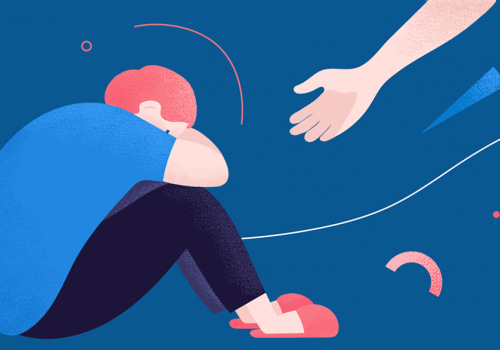
In today's fast-paced world, the importance of mental wellness cannot be overstated. As we navigate through daily challenges, the pressures of work, relationships, and societal expectations can often lead to heightened levels of stress and anxiety. Understanding the intricate relationship between mental wellness and anxiety care is crucial for fostering a healthier mindset and improving overall quality of life. Anxiety is not merely a fleeting feeling of worry; it can manifest as a persistent state that affects our emotional and physical well-being. Recognizing the signs of anxiety is the first step towards effective management.
By understanding what triggers these feelings, individuals can take proactive measures to mitigate their impact. This awareness lays the groundwork for implementing lifestyle changes that promote mental health. Moreover, mental wellness encompasses more than just the absence of mental illness; it involves a holistic approach to emotional, psychological, and social well-being. It influences how we think, feel, and act in our daily lives. By prioritizing mental wellness, we can cultivate resilience against anxiety and enhance our ability to cope with life's inevitable stresses.
This article will explore various lifestyle changes that can significantly improve mental wellness and provide effective anxiety care, empowering individuals to lead more fulfilling lives.
The Role of Nutrition in Mental Wellness
Nutrition plays a crucial role in mental wellness and can significantly impact anxiety care. A balanced diet not only fuels the body but also supports brain function and mood regulation. Certain nutrients are particularly beneficial for mental health, helping to reduce anxiety and improve overall well-being.Key Nutrients for Mental Health:
- Omega-3 Fatty Acids: Found in fatty fish like salmon, walnuts, and flaxseeds, omega-3s are essential for brain health. They have been shown to reduce symptoms of anxiety and depression.
- Magnesium: This mineral helps regulate neurotransmitters that send messages throughout the brain.
Foods rich in magnesium include leafy greens, nuts, seeds, and whole grains.
- B Vitamins: B vitamins, particularly B6, B12, and folate, play a vital role in producing brain chemicals that affect mood. Incorporate foods like eggs, legumes, and fortified cereals into your diet.
- Antioxidants: Foods high in antioxidants, such as berries, dark chocolate, and green tea, can help combat oxidative stress in the brain, which is linked to anxiety.
Foods That Reduce Anxiety:
In addition to focusing on specific nutrients, certain foods can be particularly effective in reducing anxiety levels:
- Fermented Foods: Yogurt, kimchi, and sauerkraut contain probiotics that support gut health. A healthy gut microbiome is increasingly linked to improved mental health.
- Whole Grains: Foods like brown rice and quinoa release glucose slowly into the bloodstream, providing a steady energy supply that can help stabilize mood.
- Nuts and Seeds: These are excellent sources of healthy fats and protein. They also contain magnesium and zinc, which are important for brain function.
By prioritizing nutrition as part of your anxiety care, you can enhance your mood and overall mental health.
Physical Activity and Its Impact on Anxiety Reduction
Engaging in physical activity is one of the most effective lifestyle changes that can significantly enhance mental wellness and alleviate symptoms of anxiety. Numerous studies have shown that regular exercise not only improves physical health but also plays a crucial role in boosting mood and reducing stress levels.Types of Exercise Beneficial for Anxiety:
- Aerobic Exercise: Activities such as running, cycling, and swimming increase heart rate and promote the release of endorphins, often referred to as "feel-good" hormones. These endorphins can create a sense of euphoria and help combat feelings of anxiety.
- Yoga: This practice combines physical postures, breathing exercises, and meditation, making it particularly effective for reducing anxiety. Yoga encourages mindfulness, which can help individuals focus on the present moment rather than their worries.
- Strength Training: Lifting weights or engaging in resistance training can also contribute to improved mental health.
Research indicates that strength training can lead to reductions in anxiety and depressive symptoms.
- Walking: Even simple activities like walking can have profound effects on mental wellness. A daily walk in nature not only provides physical benefits but also allows for a calming environment that can help clear the mind.
- Reducing Stress Hormones: Exercise helps lower levels of stress hormones such as cortisol, which can contribute to feelings of anxiety.
- Improving Sleep Quality: Physical activity promotes better sleep patterns, which are essential for maintaining mental wellness.
- Boosting Self-Esteem: Achieving fitness goals, no matter how small, can enhance self-confidence and provide a sense of accomplishment.
Whether it’s joining a local sports team, taking dance classes, or simply going for a brisk walk, finding an enjoyable form of exercise is key to reaping its mental health benefits.
Mindfulness and Meditation Practices
Incorporating mindfulness and meditation into your daily routine can significantly enhance your mental wellness and serve as effective strategies for managing anxiety. These practices encourage a deeper connection with the present moment, allowing individuals to observe their thoughts and feelings without judgment.Mindfulness Techniques
Mindfulness involves being fully present and engaged in the current moment. Here are some techniques to cultivate mindfulness:- Breath Awareness: Focus on your breathing. Inhale deeply through your nose, hold for a moment, and exhale slowly through your mouth.
This simple practice can ground you and reduce anxiety.
- Body Scan: Lie down comfortably and mentally scan your body from head to toe. Notice any tension or discomfort, and consciously relax those areas.
- Mindful Walking: Take a walk in nature or around your home, paying attention to each step. Feel the ground beneath your feet and notice the sights and sounds around you.
Meditation for Anxiety
Meditation is a powerful tool for reducing anxiety. Regular practice can help rewire your brain's response to stress.Here are some effective meditation techniques:
- Guided Meditation: Use apps or online resources that offer guided sessions specifically designed for anxiety relief.
- Loving-Kindness Meditation: Focus on sending love and compassion to yourself and others, which can foster a sense of connection and reduce feelings of isolation.
- Mindfulness Meditation: Sit quietly, focus on your breath, and gently bring your mind back whenever it wanders. This practice enhances self-awareness and emotional regulation.
Benefits of Mindfulness
The benefits of incorporating mindfulness and meditation into your life extend beyond just anxiety management:- Improved Focus: Regular practice enhances concentration and cognitive flexibility.
- Emotional Resilience: Mindfulness helps in recognizing emotional triggers, allowing for better responses to stressors.
- Enhanced Well-Being: Engaging in these practices can lead to greater overall satisfaction with life, promoting a positive outlook.
The Importance of Sleep for Mental Health
Sleep plays a crucial role in maintaining mental wellness and managing anxiety. Research has shown that inadequate sleep can exacerbate feelings of stress and anxiety, leading to a vicious cycle that negatively impacts overall mental health. When we sleep, our bodies undergo essential processes that help regulate mood, cognitive function, and emotional resilience.Effects of Sleep on Anxiety
- Increased Stress Levels: Lack of sleep can heighten the body's stress response, making it more challenging to cope with daily pressures.
- Cognitive Impairment: Sleep deprivation affects concentration, decision-making, and problem-solving abilities, which can lead to increased anxiety.
- Emotional Instability: Poor sleep quality can result in mood swings and irritability, further contributing to feelings of anxiety.
- Establish a Consistent Sleep Schedule: Go to bed and wake up at the same time every day, even on weekends, to regulate your body's internal clock.
- Create a Relaxing Bedtime Routine: Engage in calming activities before bed, such as reading or practicing mindfulness meditation, to signal your body that it's time to wind down.
- Limit Screen Time: Reduce exposure to screens at least an hour before bedtime.
The blue light emitted by devices can interfere with melatonin production and disrupt sleep.
- Optimize Your Sleep Environment: Ensure your bedroom is dark, quiet, and cool. Consider using blackout curtains or white noise machines to create an ideal sleeping atmosphere.
- Avoid Stimulants: Limit caffeine and nicotine intake in the hours leading up to bedtime, as these substances can interfere with your ability to fall asleep.
Building Strong Social Connections
Building and maintaining strong social connections is essential for enhancing mental wellness and effectively managing anxiety. Research consistently shows that individuals with robust social support systems experience lower levels of stress and anxiety, leading to improved overall mental health.Social Support for Mental Health
- Emotional Support: Friends and family provide a listening ear and understanding, which can help individuals process their feelings and reduce feelings of isolation.
- Practical Help: Social connections can offer assistance in daily tasks, which can alleviate stressors that contribute to anxiety.
- Encouragement: Positive reinforcement from loved ones can motivate individuals to engage in healthy behaviors, such as exercise or therapy, which are beneficial for mental wellness.
Relationships and Anxiety
The quality of relationships plays a significant role in how we cope with anxiety.
Healthy relationships characterized by trust, respect, and open communication can serve as a buffer against stress. Conversely, toxic relationships can exacerbate feelings of anxiety and lead to further mental health challenges. It’s crucial to evaluate the relationships in your life and prioritize those that uplift and support you.
Community Impact on Wellness
A sense of belonging within a community can significantly enhance mental wellness. Engaging in community activities, volunteering, or joining clubs can foster connections with others who share similar interests.
These interactions not only provide social support but also create a sense of purpose and fulfillment. Being part of a community helps individuals feel valued and connected, which is vital for reducing anxiety.In conclusion, nurturing strong social connections is a powerful strategy for improving mental wellness and managing anxiety. By surrounding ourselves with supportive individuals and engaging with our communities, we can create a more resilient foundation for our mental health.
Setting Boundaries and Managing Stress
In today's fast-paced world, setting boundaries is essential for maintaining mental wellness and effectively managing stress. By establishing clear limits in various aspects of life, individuals can create a healthier environment that fosters emotional stability and reduces anxiety.Understanding Personal Limits
- Recognize your emotional and physical limits.
Understanding when you feel overwhelmed is the first step in setting boundaries.
- Identify areas in your life where you feel stretched too thin, whether it’s work commitments, social obligations, or family responsibilities.
Communicating Boundaries
- Once you’ve identified your limits, communicate them clearly to others. This can be done through direct conversations or written messages.
- Be assertive but respectful. Use "I" statements to express how certain situations affect your mental health, such as "I need some time to recharge after work" or "I cannot take on additional projects right now."
Implementing Stress Management Techniques
- Incorporate stress management techniques into your daily routine. Practices such as mindfulness meditation, deep breathing exercises, and regular physical activity can significantly reduce stress levels.
- Consider scheduling regular breaks throughout your day to step away from stressful situations and recharge your mind.
Prioritizing Self-Care
- Make self-care a priority by allocating time for activities that bring you joy and relaxation.
This could include hobbies, reading, or spending time in nature.
- Acknowledge that taking time for yourself is not selfish; it’s a necessary component of maintaining mental wellness.
Seeking Professional Help When Needed
When it comes to mental wellness & anxiety care, recognizing when to seek professional help is a crucial step in managing anxiety effectively. While lifestyle changes such as regular exercise, a balanced diet, and mindfulness practices can significantly enhance mental wellness, they may not always be sufficient for everyone. This is where therapy for anxiety becomes an invaluable resource.Understanding When to Seek Help
- If you find that your anxiety is persistent and interferes with daily activities, it may be time to consult a professional.
- Experiencing overwhelming feelings of fear or panic that seem unmanageable can indicate the need for support.
- When lifestyle changes do not lead to improvement, seeking therapy can provide additional tools and strategies.
Various therapeutic approaches, such as cognitive-behavioral therapy (CBT), have been shown to be effective in treating anxiety disorders. These therapies not only address symptoms but also empower individuals by equipping them with skills to manage their thoughts and emotions more effectively.
The Role of Professional Support
Professional support for mental wellness can take many forms, including individual therapy, group therapy, or even medication management when necessary. Engaging with a mental health professional can help clarify the relationship between lifestyle factors and anxiety, allowing for a more comprehensive approach to treatment.In conclusion, while making lifestyle changes is essential for improving mental wellness & anxiety care, seeking professional help when needed is equally important. Therapy can complement these changes, providing the necessary support and guidance to navigate the complexities of anxiety effectively.
FAQs About Mental Wellness and Anxiety Care
When it comes to mental wellness and anxiety care, many individuals have questions about effective lifestyle changes.Here are some common inquiries and their answers:
What lifestyle changes can help reduce anxiety?
Several lifestyle modifications can significantly impact your mental wellness:- Regular Exercise: Engaging in physical activity releases endorphins, which can improve mood and reduce anxiety levels.
- Balanced Diet: Consuming a diet rich in fruits, vegetables, whole grains, and lean proteins can enhance brain function and emotional health.
- Sufficient Sleep: Prioritizing quality sleep is crucial; aim for 7-9 hours per night to help regulate mood and stress levels.
- Meditation and Mindfulness: Practicing mindfulness techniques can help ground you in the present moment, reducing feelings of anxiety.
- Social Connections: Maintaining strong relationships with friends and family provides emotional support, which is vital for mental wellness.
How does stress management contribute to mental wellness?
Effective stress management techniques, such as deep breathing exercises, yoga, or journaling, can lower anxiety levels. By learning to cope with stressors more effectively, you can enhance your overall mental health.Are there specific mental wellness tips for daily life?
Yes! Here are some practical tips to incorporate into your daily routine:- Set Realistic Goals: Break tasks into manageable steps to avoid feeling overwhelmed.
- Limit Screen Time: Reducing time spent on social media can decrease feelings of inadequacy and anxiety.
- Practice Gratitude: Keeping a gratitude journal can shift your focus from negative thoughts to positive experiences.
- Avoid Alcohol and Caffeine: These substances can exacerbate anxiety symptoms; consider reducing or eliminating them from your diet.
Conclusion: Embracing Lifestyle Changes for Better Mental Health
In conclusion, embracing lifestyle changes is a powerful strategy for enhancing mental wellness and effectively managing anxiety. Throughout this article, we have explored various practical approaches that can lead to significant improvements in mental health. First and foremost, incorporating regular physical activity into your routine can have profound effects on your mood and stress levels. Exercise releases endorphins, which are natural mood lifters, and can help reduce feelings of anxiety.Additionally, prioritizing a balanced diet rich in nutrients supports brain health and emotional stability. Moreover, establishing a consistent sleep schedule is crucial. Quality sleep not only rejuvenates the body but also plays a vital role in regulating emotions and reducing anxiety. Techniques such as mindfulness meditation and deep-breathing exercises can further enhance relaxation and promote a sense of calm. Social connections are equally important; nurturing relationships with friends and family provides emotional support and reduces feelings of isolation. Engaging in hobbies or activities that bring joy can also serve as a distraction from anxious thoughts. Lastly, it’s essential to recognize the value of seeking professional help when needed.
Therapy or counseling can provide tailored strategies for managing anxiety and improving overall mental wellness. By integrating these lifestyle changes into daily life, individuals can cultivate a more resilient mindset, ultimately leading to improved mental wellness and a more fulfilling life free from the constraints of anxiety.