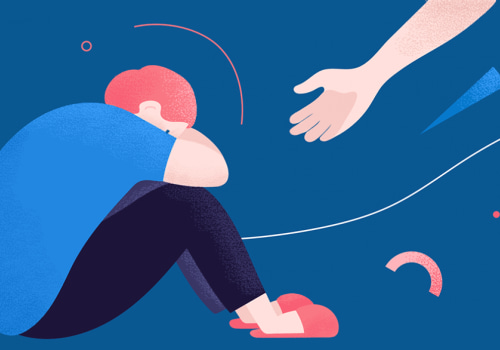
Mental health is a crucial aspect of our overall well-being, influencing how we think, feel, and act in our daily lives. It encompasses our emotional, psychological, and social well-being, affecting everything from our relationships to our ability to cope with stress. Understanding mental wellness is essential, as it lays the foundation for a fulfilling life. When we prioritize mental health, we not only enhance our quality of life but also improve our physical health and productivity. The importance of mental wellness cannot be overstated.
It serves as a protective factor against various mental health issues, including anxiety and depression. By fostering a positive mental state, individuals can better navigate life's challenges and maintain resilience in the face of adversity. Moreover, good mental health contributes to stronger relationships and a more engaged community, creating a ripple effect that benefits society as a whole. Investing in anxiety care and mental wellness offers numerous benefits. Individuals who actively engage in practices that promote mental health often report higher levels of happiness, improved focus, and greater emotional stability.
These benefits extend beyond the individual; they can lead to healthier workplaces and more harmonious family dynamics. As we delve deeper into strategies for maintaining good mental health, it becomes clear that prioritizing mental wellness is not just an option but a necessity for leading a balanced and fulfilling life.
Recognizing the Signs of Poor Mental Health
Recognizing the signs of poor mental health is crucial for maintaining mental wellness and effectively managing anxiety care. Many individuals may not realize they are experiencing symptoms until they become overwhelming. Here are some common indicators to watch for:- Persistent Sadness or Irritability: Feeling sad, hopeless, or irritable for an extended period can be a significant sign of poor mental health.
- Changes in Sleep Patterns: Difficulty falling asleep, staying asleep, or sleeping too much can indicate underlying anxiety or other mental health issues.
- Loss of Interest: A noticeable decrease in interest or pleasure in activities that were once enjoyable may signal a decline in mental wellness.
- Social Withdrawal: Isolating oneself from friends and family can be a red flag.
If you find yourself avoiding social interactions, it may be time to assess your mental health.
- Difficulty Concentrating: Struggling to focus on tasks or make decisions can be a symptom of anxiety and poor mental health.
- Physical Symptoms: Unexplained physical issues such as headaches, stomachaches, or fatigue can often be linked to mental health struggles.
The Role of Lifestyle Choices in Mental Wellness
Maintaining good mental health is significantly influenced by our lifestyle choices. Key factors such as diet, exercise, and sleep play a crucial role in promoting mental wellness and managing anxiety.The Impact of Diet on Mental Wellness
A balanced diet rich in nutrients can enhance brain function and improve mood.Foods high in omega-3 fatty acids, such as salmon and walnuts, are known to support cognitive health. Additionally, incorporating fruits and vegetables can provide essential vitamins and minerals that help combat stress. Here are some dietary tips:
- Eat a variety of foods: Aim for a colorful plate to ensure a range of nutrients.
- Limit processed foods: Reduce intake of sugar and unhealthy fats that can negatively affect mood.
- Stay hydrated: Drink plenty of water, as dehydration can lead to fatigue and irritability.
The Role of Exercise in Mental Health
Regular physical activity is a powerful tool for enhancing mental wellness. Exercise releases endorphins, which are natural mood lifters.It also helps reduce symptoms of anxiety and depression. To incorporate exercise into your routine:
- Find an activity you enjoy: Whether it’s dancing, hiking, or yoga, choose something that excites you.
- Aim for consistency: Try to engage in at least 30 minutes of moderate exercise most days of the week.
- Set realistic goals: Start small and gradually increase the intensity or duration of your workouts.
The Importance of Sleep for Mental Health
Adequate sleep is essential for emotional regulation and cognitive function. Poor sleep can exacerbate feelings of anxiety and stress. To improve your sleep quality:- Create a bedtime routine: Establish a calming pre-sleep ritual to signal your body it's time to wind down.
- Avoid screens before bed: Limit exposure to blue light from devices at least an hour before sleeping.
- Keep a consistent sleep schedule: Go to bed and wake up at the same time every day to regulate your body clock.
Mindfulness and Stress Management Techniques
Maintaining mental wellness is crucial for managing anxiety, and one effective way to achieve this is through mindfulness practices.Mindfulness involves being present in the moment and acknowledging your thoughts and feelings without judgment. This practice can significantly reduce stress and anxiety levels.
Mindfulness Techniques
- Breathing Exercises: Focus on your breath by inhaling deeply through your nose, holding for a few seconds, and exhaling slowly through your mouth. This simple technique can ground you and help alleviate feelings of anxiety.
- Body Scan Meditation: Lie down comfortably and mentally scan your body from head to toe, noticing any tension or discomfort. Acknowledge these sensations without trying to change them, which can promote relaxation.
- Mindful Walking: Take a walk in a quiet place, paying attention to each step you take.
Notice the sensations in your feet and the rhythm of your breath. This practice connects you with your surroundings and helps clear your mind.
Stress Management Strategies
In addition to mindfulness techniques, implementing effective stress management strategies can further enhance your mental wellness:- Time Management: Prioritize tasks and break them into smaller, manageable steps. This approach can reduce feelings of overwhelm and help you maintain focus.
- Physical Activity: Regular exercise releases endorphins, which are natural mood lifters. Aim for at least 30 minutes of moderate activity most days of the week.
- Social Support: Connect with friends or family members who can provide emotional support.
Sharing your thoughts and feelings can lighten your emotional load.
Building a Support System for Mental Health
Maintaining good mental health is often a collective effort, and building a support system is crucial for effective mental wellness & anxiety care. A strong network of friends, family, and professionals can provide the emotional and practical support needed to navigate life's challenges.Importance of Social Support
Social support plays a vital role in managing anxiety and promoting overall mental health.
Studies have shown that individuals with robust support systems experience lower levels of stress and anxiety. Here are some key benefits:
- Emotional Support: Friends and family can offer a listening ear, helping you process your feelings and reducing feelings of isolation.
- Practical Help: Whether it’s assistance with daily tasks or providing resources for professional help, a support system can alleviate burdens.
- Encouragement: Having people who believe in you can motivate you to seek help when needed and stick to treatment plans.
How to Build Your Support System
Creating a reliable support system involves intentionality and openness. Here are some steps to consider:
- Identify Your Needs: Reflect on what type of support you require. Is it emotional, practical, or professional?
- Reach Out: Don’t hesitate to connect with friends or family members.
Share your feelings and let them know how they can help.
- Seek Professional Help: Therapists and counselors can provide specialized support for anxiety management. Consider joining support groups where you can meet others facing similar challenges.
- Nurture Relationships: Invest time in your relationships. Regular check-ins and shared activities can strengthen bonds.
Professional Help: When and How to Seek It
Recognizing when to seek professional help is a crucial step in maintaining mental wellness and effectively managing anxiety.If you find that your anxiety is interfering with daily activities, relationships, or overall quality of life, it may be time to consider therapy. Here are some signs that indicate it might be beneficial to reach out for professional support:
- Persistent feelings of sadness or hopelessness: If these feelings last for more than a few weeks, it’s important to seek help.
- Increased anxiety or panic attacks: Frequent episodes of intense fear can be debilitating and warrant professional intervention.
- Difficulty coping with stress: If everyday stressors feel overwhelming, a mental health professional can provide strategies to manage them.
- Changes in sleep or appetite: Significant changes in these areas can indicate underlying mental health issues.
- Psychologists: They provide therapy and counseling but do not prescribe medication.
- Psychiatrists: Medical doctors who can prescribe medication and offer therapy.
- Counselors and Therapists: They focus on specific issues and provide support through various therapeutic techniques.
- Social Workers: They often provide therapy and connect clients with community resources.
- Develop coping strategies: Learn effective techniques to manage anxiety symptoms.
- Gain insight: Understand the root causes of your anxiety and how to address them.
- Improve communication skills: Enhance your ability to express feelings and needs in relationships.
- Build resilience: Strengthen your ability to bounce back from challenges and stressors.
Self-Care Practices for Daily Mental Wellness
Maintaining mental wellness is essential for overall health, and incorporating self-care practices into your daily routine can significantly enhance your ability to manage anxiety.Here are some practical tips and activities that can help you cultivate a more balanced mental state.
- Establish a Morning Routine: Start your day with intention. Consider incorporating activities such as meditation, journaling, or light stretching. These practices can set a positive tone for the day ahead.
- Stay Physically Active: Regular exercise is a powerful tool for improving mental health. Aim for at least 30 minutes of physical activity most days of the week.
Whether it’s a brisk walk, yoga, or dancing, find what you enjoy.
- Practice Mindfulness: Engage in mindfulness exercises to help ground yourself in the present moment. Techniques such as deep breathing or guided imagery can reduce feelings of anxiety and promote relaxation.
- Connect with Nature: Spending time outdoors can have a rejuvenating effect on your mental state. Try to incorporate nature walks or simply sit in a park to soak in the natural surroundings.
- Limit Screen Time: Excessive screen time can contribute to feelings of anxiety and stress. Set boundaries for your digital consumption, especially on social media, to protect your mental space.
- Engage in Creative Activities: Explore hobbies that allow for self-expression, such as painting, writing, or playing music.
Creative outlets can serve as effective forms of therapy and help alleviate anxiety.
- Prioritize Sleep: Quality sleep is crucial for mental wellness. Establish a calming bedtime routine and aim for 7-9 hours of sleep each night to support your emotional health.
FAQs About Mental Wellness and Anxiety Care
Understanding mental wellness and anxiety care is crucial for fostering a healthy mindset. Here are some frequently asked questions that can help clarify common doubts and misconceptions:- What is mental wellness?
Mental wellness refers to a state of well-being where individuals can cope with the normal stresses of life, work productively, and contribute to their community.It encompasses emotional, psychological, and social well-being.
- How can I improve my mental wellness?
Improving mental wellness can involve various strategies such as regular physical activity, maintaining a balanced diet, practicing mindfulness or meditation, and seeking social support from friends and family. - What are common misconceptions about anxiety?
One common misconception is that anxiety is just a phase or something that can be easily overcome. In reality, anxiety disorders are complex conditions that often require professional treatment. - Is it normal to feel anxious sometimes?
Yes, feeling anxious in certain situations is a normal response. However, if anxiety becomes overwhelming or persistent, it may be beneficial to seek help from a mental health professional. - Can therapy help with anxiety?
Absolutely! Therapy, particularly cognitive-behavioral therapy (CBT), has been shown to be effective in treating anxiety disorders by helping individuals understand and change their thought patterns. - Are medications necessary for anxiety care?
Medications can be helpful for some individuals, but they are not always necessary. Treatment plans should be personalized and may include therapy, lifestyle changes, or medication based on individual needs.
If you have further questions or concerns about your mental health, consider reaching out to a qualified professional for guidance.
Conclusion: Embracing a Holistic Approach to Mental Health
In conclusion, maintaining good mental health is a multifaceted journey that requires a holistic approach. Throughout this article, we have explored various strategies that contribute to mental wellness and effective anxiety care. By integrating these practices into daily life, individuals can foster resilience and enhance their overall well-being.Key takeaways include:- Self-awareness: Understanding your emotions and triggers is crucial. Regularly check in with yourself to assess your mental state.
- Healthy lifestyle choices: Nutrition, exercise, and sleep play significant roles in mental health.
A balanced diet, regular physical activity, and adequate rest can improve mood and reduce anxiety.
- Mindfulness and relaxation techniques: Practices such as meditation, yoga, and deep-breathing exercises can help manage stress and promote a sense of calm.
- Social connections: Building and maintaining strong relationships with friends and family provides emotional support and reduces feelings of isolation.
- Professional help: Seeking therapy or counseling can be beneficial for those struggling with mental health issues. Professionals can offer tailored strategies for managing anxiety and improving mental wellness.