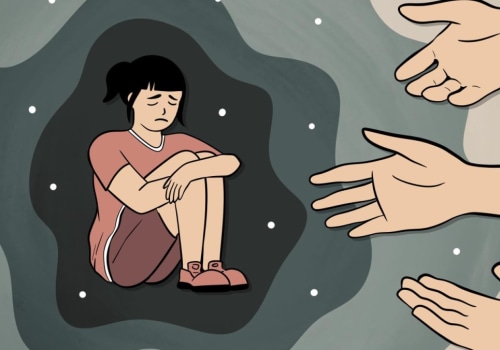
Anxiety is a common yet complex emotional response that many individuals experience at various points in their lives. It can manifest as a feeling of unease, worry, or fear, often accompanied by physical symptoms such as increased heart rate, sweating, and restlessness. Understanding what anxiety is is crucial for recognizing its impact on our overall mental wellness. While occasional anxiety can be a normal reaction to stress, chronic anxiety can lead to significant disruptions in daily life and overall well-being. The impact of anxiety on mental wellness is profound.
It can affect not only emotional health but also physical health, leading to conditions such as insomnia, digestive issues, and weakened immune response. Individuals suffering from anxiety may find it challenging to engage in social situations, maintain relationships, or perform effectively at work or school. This cycle of anxiety can create a feedback loop where the symptoms exacerbate feelings of isolation and despair. Common anxiety symptoms include persistent worry, irritability, difficulty concentrating, and physical manifestations like muscle tension. Recognizing these symptoms is the first step toward managing anxiety effectively.
By understanding the nature of anxiety and its effects on mental wellness, individuals can begin to explore various relaxation techniques that can help alleviate these symptoms and promote a healthier state of mind.
The Importance of Relaxation Techniques in Anxiety Management
In the realm of mental wellness & anxiety care, the significance of relaxation techniques cannot be overstated. These techniques serve as essential tools for individuals seeking to manage their anxiety effectively. By incorporating relaxation practices into daily routines, individuals can experience profound physiological and psychological benefits that contribute to overall mental health.How Relaxation Helps Anxiety
- Reduces Physiological Symptoms: Relaxation techniques such as deep breathing, progressive muscle relaxation, and meditation can significantly lower heart rate and blood pressure, counteracting the physical symptoms of anxiety.
- Enhances Emotional Regulation: Engaging in relaxation practices helps individuals develop better emotional regulation skills, allowing them to respond to stressors with a calmer mindset.
- Promotes Mindfulness: Techniques like mindfulness meditation encourage individuals to focus on the present moment, reducing rumination and negative thought patterns that often accompany anxiety.
- Improved Sleep Quality: Regular relaxation can lead to better sleep patterns, which are crucial for mental wellness. Quality sleep is essential for emotional resilience and cognitive function.
- Increased Resilience: By practicing relaxation techniques, individuals can build resilience against future stressors, making them less susceptible to anxiety triggers.
- Enhanced Focus and Clarity: Relaxation fosters a clearer mind, improving concentration and decision-making abilities, which can be particularly beneficial in high-pressure situations.
Not only do these practices alleviate immediate symptoms, but they also contribute to long-term mental wellness by fostering a healthier relationship with stress and enhancing overall emotional well-being.
Deep Breathing Exercises for Anxiety Relief
Deep breathing exercises are a powerful tool for managing anxiety and promoting mental wellness. By focusing on your breath, you can activate your body’s relaxation response, which helps to reduce stress and anxiety levels. Here are some effective techniques to practice deep breathing:- Diaphragmatic Breathing: This technique encourages full oxygen exchange and can help calm your mind.
- Find a comfortable position, either sitting or lying down.
- Place one hand on your chest and the other on your abdomen.
- Breathe in deeply through your nose, allowing your abdomen to rise while keeping your chest still.
- Exhale slowly through your mouth, feeling your abdomen fall.
- Repeat this process for 5-10 minutes, focusing on the rise and fall of your abdomen.
- 4-7-8 Breathing: This method is excellent for reducing anxiety and promoting sleep.
- Begin by exhaling completely through your mouth.
- Breathe in quietly through your nose for a count of 4.
- Hold your breath for a count of 7.
- Exhale completely through your mouth for a count of 8.
- Repeat this cycle four times.
- Nasal Breathing: This technique can help balance the nervous system.
- Sit comfortably and close your right nostril with your right thumb.
- Breathe in deeply through your left nostril.
- Close the left nostril with your right ring finger and release the right nostril.
- Breathe out through the right nostril, then inhale through it.
- Close the right nostril again and exhale through the left. This completes one cycle.
Repeat for 5-10 cycles.
Mindfulness and Meditation Techniques
Mindfulness and meditation are powerful relaxation techniques that can significantly aid in managing anxiety.By focusing on the present moment, these practices help individuals cultivate a sense of calm and clarity, which is essential for mental wellness.
Mindfulness Techniques
Mindfulness involves paying attention to your thoughts, feelings, and bodily sensations without judgment. Here are some effective mindfulness techniques:- Body Scan: Lie down comfortably and focus on each part of your body, starting from your toes and moving up to your head. Notice any tension or discomfort and consciously relax those areas.
- Mindful Breathing: Take deep breaths, focusing solely on the sensation of air entering and leaving your body. This can help ground you in the present moment.
- Mindful Walking: During a walk, pay attention to the feeling of your feet touching the ground, the rhythm of your breath, and the sights and sounds around you.
Meditation for Anxiety
Meditation is a structured practice that can enhance mindfulness.Here are some popular meditation techniques specifically beneficial for anxiety:
- Guided Meditation: Use apps or online resources that provide guided sessions focused on relaxation and anxiety relief.
- Loving-Kindness Meditation: This practice involves silently repeating phrases of goodwill towards yourself and others, fostering compassion and reducing feelings of anxiety.
- Visualization: Picture a peaceful scene or a safe space in your mind. This technique can help transport you away from anxious thoughts.
Progressive Muscle Relaxation: A Step-by-Step Guide
Progressive Muscle Relaxation (PMR) is a powerful technique that can significantly aid in managing anxiety by promoting mental wellness and anxiety care.This method involves systematically tensing and then relaxing different muscle groups in the body, which helps to release physical tension and calm the mind.
How to Do Progressive Muscle Relaxation
- Find a Quiet Space: Choose a comfortable and quiet environment where you won’t be disturbed.
- Get Comfortable: Sit or lie down in a relaxed position. Close your eyes if it helps you focus.
- Take Deep Breaths: Begin with a few deep breaths, inhaling through your nose and exhaling through your mouth to center yourself.
- Tense Muscle Groups: Start with your feet. Tense the muscles in your feet for about 5 seconds, then release. Notice the difference between tension and relaxation.
- Work Up the Body: Move to your calves, thighs, abdomen, arms, shoulders, neck, and face.
For each group, tense for 5 seconds and then relax.
- Focus on Relaxation: After tensing and relaxing all muscle groups, take a moment to enjoy the feeling of relaxation throughout your body.
- Repeat as Needed: You can repeat this process as often as necessary to help alleviate anxiety symptoms.
Benefits of Muscle Relaxation for Anxiety
- Reduces Physical Tension: PMR helps to alleviate the physical symptoms of anxiety, such as muscle tightness and discomfort.
- Enhances Mindfulness: This technique encourages mindfulness by bringing attention to bodily sensations, which can help ground you in the present moment.
- Improves Sleep Quality: Regular practice of PMR can lead to better sleep patterns, which are often disrupted by anxiety.
- Promotes Overall Relaxation: By incorporating PMR into your routine, you can cultivate a greater sense of calm and well-being.
Visualization Techniques for Stress Reduction
Visualization techniques, often referred to as guided imagery, are powerful tools for managing anxiety and enhancing mental wellness. These methods involve creating mental images that promote relaxation and a sense of peace, allowing individuals to escape from the stressors of daily life.One effective visualization technique is to imagine a serene place, such as a quiet beach or a tranquil forest. By focusing on the details of this environment—the sound of waves, the scent of pine trees, or the warmth of the sun—individuals can create a vivid mental escape that helps reduce anxiety levels.Benefits of Visualization for Mental Wellness
- Reduces Stress: Engaging in guided imagery can lower cortisol levels, the hormone associated with stress, leading to a calmer state of mind.
- Enhances Focus: Visualization helps improve concentration by training the mind to focus on positive outcomes rather than anxious thoughts.
- Promotes Emotional Resilience: Regular practice can build emotional strength, making it easier to cope with future stressors.
- Improves Sleep Quality: Visualization techniques can be particularly effective when used before bedtime, helping to quiet racing thoughts and promote restful sleep.
Close your eyes and take deep breaths. Begin to visualize your chosen peaceful scene, immersing yourself in the experience. Allow your senses to engage fully—what do you see, hear, smell, and feel? Spend several minutes in this mental space, letting go of any tension or anxiety.Incorporating visualization techniques into your daily routine can significantly enhance your ability to manage anxiety. Whether used as a standalone practice or in conjunction with other relaxation methods, these techniques offer valuable support for achieving mental wellness.
The Role of Physical Activity in Anxiety Management
Physical activity plays a crucial role in managing anxiety and enhancing mental wellness.Engaging in regular exercise can significantly reduce symptoms of anxiety, providing both immediate and long-term benefits. Here are some key aspects to consider:
Types of Exercises for Anxiety Relief
- Aerobic Exercise: Activities such as running, swimming, or cycling can elevate your heart rate and release endorphins, which are natural mood lifters.
- Yoga: This practice combines physical postures, breathing techniques, and meditation, making it an excellent choice for reducing stress and promoting relaxation.
- Strength Training: Lifting weights or engaging in resistance training can improve self-esteem and body image, which are often affected by anxiety.
- Mindful Movement: Tai Chi and Qigong focus on slow, deliberate movements and deep breathing, helping to calm the mind while improving physical health.
Benefits of Exercise on Anxiety Management
The benefits of incorporating physical activity into your routine extend beyond just physical health. Here are some notable advantages:- Stress Reduction: Exercise helps lower levels of the body's stress hormones, such as adrenaline and cortisol.
- Improved Sleep: Regular physical activity can lead to better sleep patterns, which is essential for managing anxiety.
- Enhanced Mood: The release of endorphins during exercise can create feelings of happiness and euphoria, counteracting feelings of anxiety.
- Social Interaction: Group exercises or team sports provide opportunities for social engagement, which can alleviate feelings of isolation often associated with anxiety.
By prioritizing exercise as part of your anxiety care, you can foster a healthier mind and body, ultimately enhancing your overall mental wellness.
Creating a Personalized Relaxation Routine
Creating a personalized relaxation routine is essential for effectively managing anxiety and enhancing mental wellness. By tailoring your approach to fit your unique needs and preferences, you can develop a plan that resonates with you and promotes a sense of calm.Step 1: Identify Your Triggers
- Begin by recognizing the specific situations or thoughts that trigger your anxiety. Keeping a journal can help you track these triggers over time.
- Understanding what causes your anxiety allows you to select relaxation techniques that directly address these triggers.
Step 2: Explore Various Techniques
- Meditation: Consider incorporating mindfulness or guided meditation into your routine. Apps like Headspace or Calm can provide structured sessions.
- Deep Breathing: Practice deep breathing exercises, such as the 4-7-8 technique, to help reduce immediate feelings of anxiety.
- Progressive Muscle Relaxation: This technique involves tensing and then relaxing different muscle groups, which can help alleviate physical tension associated with anxiety.
- Yoga or Stretching: Engaging in gentle yoga or stretching can promote relaxation and improve your overall mood.
Step 3: Create a Schedule
- Set aside specific times during the day for your relaxation practices.
Consistency is key in establishing a routine that works for you.
- Consider starting with short sessions of 5-10 minutes and gradually increasing the duration as you become more comfortable.
Step 4: Combine Techniques
- Don’t hesitate to mix and match different techniques. For example, you might start with deep breathing, followed by a short meditation session.
- This combination can enhance the effectiveness of your routine and keep it engaging.
Step 5: Evaluate and Adjust
- Regularly assess how your relaxation routine is impacting your anxiety levels. Are certain techniques more effective than others?
- Be open to adjusting your plan as needed. Flexibility is important in finding what truly works for you.
Remember, the journey to finding what works best for you may take time, so be patient and kind to yourself along the way.
FAQs About Relaxation Techniques and Anxiety Management
When it comes to mental wellness & anxiety care, many individuals have questions about the effectiveness and application of relaxation techniques. Here are some common queries and misconceptions:What are some effective relaxation techniques for managing anxiety?
Several relaxation techniques can help manage anxiety, including:- Deep Breathing: Focusing on your breath can help calm the mind and reduce physical symptoms of anxiety.
- Progressive Muscle Relaxation: This involves tensing and then relaxing different muscle groups to alleviate tension.
- Meditation: Mindfulness meditation encourages present-moment awareness, which can diminish anxious thoughts.
- Yoga: Combining physical postures, breathing exercises, and meditation, yoga promotes overall relaxation.
Are relaxation techniques effective for everyone?
While many people find relief through relaxation techniques, their effectiveness can vary. Some may require a combination of methods or additional support from mental health professionals. It's essential to experiment with different techniques to discover what works best for you.Can relaxation techniques replace professional treatment for anxiety?
No
, relaxation techniques should not be seen as a replacement for professional treatment.
They can be a valuable complement to therapy or medication but are most effective when used in conjunction with a comprehensive treatment plan.
Are there any misconceptions about relaxation methods?
- Myth: Relaxation techniques are only for those with severe anxiety.
- Fact: Anyone can benefit from these methods, regardless of the severity of their anxiety.
- Myth: Relaxation is a quick fix for anxiety.
- Fact: While they can provide immediate relief, consistent practice is necessary for long-term benefits.
Conclusion: Embracing Relaxation for Better Mental Wellness
In conclusion, integrating relaxation techniques into your daily routine can significantly enhance your mental wellness and provide effective anxiety care. Throughout this article, we explored various methods such as deep breathing exercises, mindfulness meditation, and progressive muscle relaxation. Each of these techniques offers unique benefits that can help you manage anxiety more effectively.By practicing these techniques regularly, you not only equip yourself with tools to combat anxiety but also foster a deeper connection with your inner self. This connection is vital for recognizing the signs of anxiety early and responding to them proactively.Here are some key takeaways:
- Deep Breathing: A simple yet powerful technique that can be done anywhere to calm the mind and body.
- Mindfulness Meditation: Helps in grounding yourself in the present moment, reducing racing thoughts.
- Progressive Muscle Relaxation: A physical approach that alleviates tension and promotes relaxation.
Your mental health deserves it!.