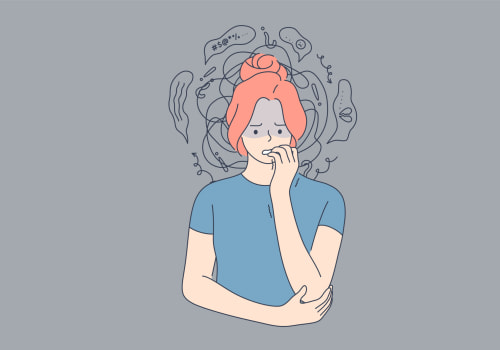
Anxiety is a common yet often misunderstood mental health condition that affects millions of individuals worldwide. It manifests in various forms, from generalized anxiety disorder to panic attacks, and can significantly impact one’s daily life. The prevalence of anxiety disorders has surged in recent years, with studies indicating that nearly one in five adults experience some form of anxiety at some point in their lives. This widespread occurrence highlights the urgent need for effective strategies to manage anxiety and promote mental wellness.The effects of anxiety extend beyond mere feelings of worry or fear; they can disrupt sleep patterns, impair concentration, and lead to physical symptoms such as increased heart rate and muscle tension.
These manifestations not only affect personal well-being but can also strain relationships and hinder professional performance. Understanding the profound impact of anxiety on mental wellness is crucial for developing effective coping mechanisms.As we delve into the realm of mindfulness practices, it becomes evident that these techniques offer valuable tools for managing anxiety. Mindfulness encourages individuals to focus on the present moment, fostering a sense of calm and clarity amidst the chaos of anxious thoughts. By integrating mindfulness into daily routines, individuals can cultivate resilience and enhance their overall mental health, paving the way for a more balanced and fulfilling life.
The Role of Mindfulness in Mental Wellness
Mindfulness is a powerful tool that plays a significant role in promoting mental wellness and effectively managing anxiety.At its core, mindfulness involves being fully present in the moment, acknowledging one’s thoughts and feelings without judgment. This practice fosters a deeper connection to oneself, which can be particularly beneficial for those grappling with anxiety.One of the primary benefits of mindfulness is its ability to reduce stress. By focusing on the present, individuals can break the cycle of negative thinking that often accompanies anxiety. Instead of ruminating on past events or worrying about the future, mindfulness encourages a state of awareness that helps to ground individuals in the here and now.Research has shown that regular mindfulness practice can lead to:
- Decreased anxiety levels: Mindfulness techniques, such as meditation and deep breathing, can lower physiological symptoms of anxiety, such as heart rate and blood pressure.
- Improved emotional regulation: Practicing mindfulness helps individuals recognize their emotional responses, allowing them to respond more thoughtfully rather than react impulsively.
- Enhanced focus and concentration: Mindfulness trains the mind to concentrate on the present moment, which can improve overall cognitive function and clarity.
- Increased resilience: By cultivating a non-judgmental awareness of thoughts and feelings, individuals can develop a greater capacity to cope with stressors.
Whether through guided meditations, mindful breathing exercises, or even mindful walking, these practices can significantly enhance one’s mental wellness. As we explore specific mindfulness practices for managing anxiety in subsequent sections, it’s essential to understand that the foundation lies in this profound connection between mindfulness and mental health.
Effective Mindfulness Practices for Managing Anxiety
Managing anxiety through mindfulness practices can significantly enhance mental wellness & anxiety care. Here are some effective techniques to incorporate into your daily routine:Meditation
Meditation is a powerful tool for calming the mind and reducing anxiety. To practice meditation:- Find a quiet space where you won’t be disturbed.
- Sit comfortably with your back straight, either on a chair or on the floor.
- Close your eyes and take a few deep breaths, inhaling through your nose and exhaling through your mouth.
- Focus on your breath.
Notice the sensation of air entering and leaving your body.
- If your mind wanders, gently bring your focus back to your breath without judgment.
- Start with 5-10 minutes daily and gradually increase the duration as you become more comfortable.
Breathing Exercises
Breathing exercises can help ground you in moments of anxiety. One effective technique is the 4-7-8 method:- Inhale deeply through your nose for a count of 4.
- Hold your breath for a count of 7.
- Exhale slowly through your mouth for a count of 8.
- Repeat this cycle four times, focusing on the rhythm of your breath.
Mindful Movement
Engaging in mindful movement, such as yoga or tai chi, can also alleviate anxiety. Here’s how to practice mindful walking:- Choose a quiet place where you can walk undisturbed.
- Begin walking slowly, paying attention to each step.
- Notice how your feet feel as they touch the ground and how your body moves with each step.
- Incorporate deep breathing as you walk, synchronizing your breath with your steps.
Incorporating Mindfulness into Daily Life
Incorporating mindfulness into your daily life can significantly enhance mental wellness and provide effective anxiety care.Here are some practical tips to seamlessly integrate mindfulness into your routine:
- Start Your Day with Intention: Begin each morning with a few minutes of mindfulness. This could be as simple as sitting quietly, focusing on your breath, and setting a positive intention for the day. This practice can help ground you and reduce anxiety before the day begins.
- Mindful Eating: Transform your meals into a mindfulness practice. Pay attention to the colors, textures, and flavors of your food.
Chew slowly and savor each bite. This not only enhances your eating experience but also helps you stay present, reducing anxiety related to distractions.
- Scheduled Mindfulness Breaks: Set aside specific times during the day for short mindfulness breaks. Even five minutes of deep breathing or a quick body scan can help reset your mind and alleviate stress. Use reminders on your phone to ensure consistency.
- Mindful Walking: Turn your daily walks into a mindfulness practice.
Focus on the sensation of your feet touching the ground, the rhythm of your breath, and the sights and sounds around you. This can be particularly effective in reducing anxiety while promoting physical health.
- Evening Reflection: At the end of the day, take a moment to reflect on what went well and what you are grateful for. Journaling these thoughts can help shift your focus from anxiety-inducing thoughts to positive experiences.
Mindfulness Techniques for Specific Situations of Anxiety
Situational anxiety can arise in various contexts, such as public speaking, social gatherings, or even during important meetings. Implementing mindfulness techniques tailored to these specific situations can significantly enhance your ability to cope and maintain mental wellness.Public Speaking
For many, the thought of speaking in front of an audience can trigger intense anxiety.To manage this:
- Grounding Exercise: Before stepping on stage, take a moment to focus on your breath. Inhale deeply for four counts, hold for four, and exhale for four. Repeat this cycle a few times to center yourself.
- Visualization: Picture yourself successfully delivering your speech. Visualizing a positive outcome can help reduce fear and build confidence.
- Mindful Presence: Focus on the present moment rather than worrying about potential mistakes.
Engage with your audience by making eye contact and responding to their reactions.
Social Situations
Social anxiety can make gatherings feel overwhelming. Here are some mindfulness strategies:- Body Scan: Before entering a social event, perform a quick body scan. Notice any areas of tension and consciously relax them. This practice helps you become aware of your physical state and reduces anxiety.
- Active Listening: When conversing, focus entirely on the speaker.
This not only distracts you from anxious thoughts but also fosters genuine connections.
- Set Intentions: Before attending an event, set a positive intention for yourself, such as "I will enjoy this experience" or "I will be open to new conversations." This can shift your mindset from fear to curiosity.
Workplace Anxiety
Anxiety in professional settings is common but manageable with mindfulness:- Pace Yourself: Break tasks into smaller steps and focus on completing one at a time. This prevents feeling overwhelmed and promotes a sense of accomplishment.
- Mindful Breaks: Take short breaks throughout the day to practice mindfulness. Step outside for fresh air or engage in a brief meditation session to reset your mind.
- Acknowledge Your Feelings: Recognize that it’s okay to feel anxious at work. Acknowledging your emotions can help you process them rather than suppressing them.
Remember that practice is key; the more you engage with these techniques, the more effective they will become in managing your anxiety.
Common Misconceptions About Mindfulness and Anxiety Management
When it comes to mindfulness and its role in managing anxiety, several misconceptions can hinder individuals from fully embracing these practices. Understanding these myths is crucial for anyone looking to enhance their mental wellness.- Myth 1: Mindfulness is Just About Relaxation
Many people believe that mindfulness is solely a relaxation technique. While it can promote relaxation, its primary purpose is to cultivate awareness and presence in the moment. This heightened awareness can help individuals recognize and manage their anxiety triggers more effectively. - Myth 2: Mindfulness Requires a Lot of Time
Another common misconception is that mindfulness practices require extensive time commitments.In reality, even a few minutes of focused breathing or mindful observation can yield significant benefits. Short, consistent practices can be more effective than lengthy sessions.
- Myth 3: Mindfulness Will Eliminate Anxiety
Some may think that practicing mindfulness will completely eradicate their anxiety. However, mindfulness does not aim to eliminate feelings of anxiety but rather to change the relationship one has with those feelings. By observing anxiety without judgment, individuals can learn to respond to it more skillfully. - Myth 4: You Have to Clear Your Mind Completely
A prevalent belief is that successful mindfulness requires a completely clear mind.In truth, the goal is not to stop thoughts but to acknowledge them without attachment. This practice helps in reducing the power of anxious thoughts over time.
Resources for Further Exploration of Mindfulness and Anxiety Care
Exploring mindfulness can significantly enhance your journey towards mental wellness and effective anxiety care. Here are some valuable resources to help you deepen your understanding and practice of mindfulness:Books on Mindfulness
- The Miracle of Mindfulness by Thich Nhat Hanh - This classic book offers practical exercises and insights into the art of mindfulness.
- Wherever You Go, There You Are by Jon Kabat-Zinn - A great introduction to mindfulness meditation, focusing on being present in the moment.
- The Mindful Way Through Anxiety by Susan M.
Orsillo and Lizabeth Roemer - This book combines mindfulness practices with cognitive behavioral techniques to manage anxiety.
- Radical Acceptance by Tara Brach - A powerful guide that teaches how to embrace life with compassion and mindfulness.
Apps for Anxiety Management
- Headspace - Offers guided meditations and mindfulness exercises tailored for anxiety relief.
- Calm - Features a variety of meditations, sleep stories, and breathing exercises to promote relaxation.
- Insight Timer - A free app with thousands of guided meditations from various teachers, focusing on anxiety management.
- Breathe2Relax - An app designed to teach breathing techniques that can help reduce stress and anxiety.
Websites for Mindfulness Resources
- Meditation Oasis - Offers guided meditations and resources for beginners.
- Mindful.org - A comprehensive resource for articles, practices, and tips on mindfulness.
- Anxiety Canada - Provides resources specifically focused on managing anxiety through mindfulness techniques.
- Verywell Mind - Features articles on mental health topics, including mindfulness practices for anxiety management.
Conclusion: Embracing Mindfulness for Lasting Mental Wellness
In conclusion, embracing mindfulness practices can significantly enhance our ability to manage anxiety and promote overall mental wellness. Throughout this article, we have explored various techniques that not only help in alleviating anxiety symptoms but also foster a deeper connection with ourselves and our surroundings.By incorporating practices such as meditation, deep breathing exercises, and mindful movement into our daily routines, we can cultivate a sense of calm and clarity. These techniques encourage us to stay present, allowing us to observe our thoughts and feelings without judgment. This shift in perspective is crucial for breaking the cycle of anxiety.- Meditation: Regular meditation can help quiet the mind and reduce stress levels.
- Deep Breathing: Focusing on breath can ground us in the moment and alleviate feelings of panic.
- Mindful Movement: Activities like yoga or tai chi integrate physical movement with mindfulness, enhancing both mental and physical health.
By acknowledging the positive aspects of our lives, we shift our focus away from anxiety-inducing thoughts. This simple yet powerful practice can create a more optimistic outlook, which is essential for managing anxiety effectively.Ultimately, the journey towards mental wellness is ongoing. By making mindfulness a priority, we equip ourselves with valuable tools to navigate life's challenges. As we continue to practice these techniques, we not only improve our ability to cope with anxiety but also enhance our overall quality of life.
Embracing mindfulness is not just a temporary solution; it is a lifelong commitment to nurturing our mental health.