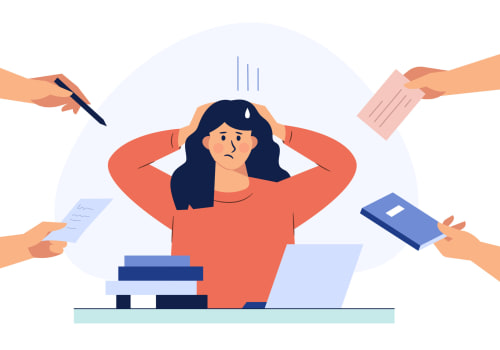
In today's fast-paced world, the concept of work-life balance has become increasingly vital. It refers to the equilibrium between the demands of one’s professional life and personal life, allowing individuals to manage their time effectively without sacrificing their well-being. As the boundaries between work and home continue to blur, especially with the rise of remote work, understanding this balance is crucial for maintaining mental wellness and reducing anxiety levels. The importance of achieving a healthy work-life balance cannot be overstated. It not only enhances productivity but also fosters a sense of fulfillment and happiness in both personal and professional spheres.
When individuals prioritize their personal lives alongside their careers, they are more likely to experience lower stress levels, improved relationships, and greater overall satisfaction. This balance is essential for mental wellness, as it allows individuals to recharge and engage in activities that promote relaxation and joy. Moreover, neglecting work-life balance can lead to burnout, anxiety, and a host of other mental health issues. By recognizing the significance of this balance, individuals can take proactive steps towards creating a lifestyle that supports their anxiety care needs. Ultimately, understanding work-life balance is the first step in cultivating a healthier mindset and improving one’s quality of life.
The Importance of Mental Wellness
Mental wellness is a state of well-being that encompasses emotional, psychological, and social health.It affects how we think, feel, and act, influencing our ability to handle stress, relate to others, and make choices. Understanding the components of mental wellness is essential for fostering a balanced life.Key components of mental wellness include:
- Emotional Resilience: The ability to bounce back from setbacks and manage stress effectively.
- Self-Awareness: Recognizing one’s emotions and understanding how they impact thoughts and behaviors.
- Healthy Relationships: Building and maintaining positive connections with others that provide support and encouragement.
- Purpose and Meaning: Engaging in activities that bring joy and fulfillment, contributing to a sense of purpose.
- Reduced anxiety levels, leading to a calmer state of mind.
- Improved focus and concentration, enhancing work performance.
- Better coping strategies for dealing with life's challenges.
- Increased satisfaction in personal relationships.
These may include practicing mindfulness, engaging in regular physical activity, maintaining a balanced diet, and seeking professional help when needed. By integrating these practices into daily life, one can significantly enhance their mental health and overall well-being.
How Work-Life Balance Affects Mental Wellness
Maintaining a healthy work-life balance is crucial for enhancing mental wellness and effectively managing anxiety levels. When individuals allocate time for both professional responsibilities and personal interests, they create a more fulfilling and less stressful lifestyle. This balance allows for the cultivation of emotional health, which is essential in today’s fast-paced work environment.Stress Reduction
- By setting boundaries between work and personal life, individuals can significantly reduce stress.
This separation helps prevent burnout, a common issue faced by those who overcommit to their jobs.
- Engaging in leisure activities or spending quality time with family and friends can serve as a natural antidote to workplace stressors, promoting relaxation and rejuvenation.
Improved Emotional Health
- A balanced lifestyle fosters better emotional health by allowing individuals to pursue hobbies and interests that bring joy and satisfaction. This engagement can lead to increased feelings of happiness and fulfillment.
- Moreover, having time to unwind and reflect can enhance self-awareness, enabling individuals to recognize and address their mental health needs more effectively.
By recognizing the importance of this balance, individuals can take proactive steps towards a healthier, more satisfying life.
Anxiety Levels and Their Connection to Work-Life Balance
A healthy work-life balance is crucial for maintaining mental wellness and managing anxiety levels. When individuals find themselves overwhelmed by work commitments, they often neglect personal time, leading to heightened stress and anxiety. This imbalance can create a vicious cycle where anxiety exacerbates work performance, further increasing stress levels.Understanding the Connection
- Poor Work-Life Balance: A lack of boundaries between work and personal life can lead to chronic stress. This stress manifests as anxiety, making it difficult to focus, relax, or enjoy leisure activities.
- Increased Anxiety Symptoms: Symptoms such as irritability, restlessness, and difficulty sleeping can arise from constant work-related pressures.
These symptoms not only affect mental health but can also impact physical health.
Reducing Anxiety Through Balance
Achieving a better work-life balance can significantly alleviate anxiety symptoms. Here are some strategies:
- Set Clear Boundaries: Define specific work hours and stick to them. This helps in creating a mental separation between work and personal life.
- Prioritize Self-Care: Engage in activities that promote relaxation and well-being, such as exercise, meditation, or hobbies.
- Communicate Needs: Openly discuss workload and expectations with supervisors or colleagues to ensure manageable tasks.
Strategies for Achieving Work-Life Balance
Achieving a healthy work-life balance is essential for enhancing mental wellness and managing anxiety levels.Here are some effective strategies to help you create that balance:
- Set Clear Boundaries: Define specific work hours and stick to them. Communicate these boundaries with your colleagues and supervisors to minimize work-related interruptions during personal time.
- Prioritize Tasks: Use tools like to-do lists or digital planners to prioritize your tasks. Focus on completing high-impact tasks first, which can reduce feelings of overwhelm and anxiety.
- Incorporate Breaks: Schedule regular breaks throughout your workday. Short breaks can boost productivity and provide mental clarity, allowing you to return to tasks with renewed focus.
- Practice Mindfulness: Engage in mindfulness practices such as meditation or deep-breathing exercises.
These techniques can help reduce stress and improve your overall mental wellness.
- Engage in Physical Activity: Regular exercise is a powerful tool for managing anxiety. Aim for at least 30 minutes of physical activity most days of the week, whether it’s a brisk walk, yoga, or a gym session.
- Limit Screen Time: Set limits on your use of electronic devices, especially before bedtime. Reducing screen time can improve sleep quality, which is crucial for maintaining mental wellness.
- Seek Support: Don’t hesitate to reach out for help when needed. Whether it’s talking to friends, family, or a mental health professional, sharing your feelings can alleviate stress and anxiety.
Remember that finding the right balance is a personal journey; what works for one person may not work for another. Be patient with yourself as you explore different approaches.
Real-Life Examples: Success Stories of Improved Mental Wellness Through Balance
Achieving a healthy work-life balance can significantly enhance mental wellness and reduce anxiety levels. Here are some inspiring success stories that illustrate this transformation:- Emily's Journey: After years of working overtime, Emily found herself overwhelmed with anxiety. She decided to implement strict boundaries between her work and personal life.
By prioritizing her mental health, she began to schedule regular breaks and engage in hobbies like painting and yoga. Within months, Emily reported a noticeable decrease in her anxiety levels and an overall improvement in her mental wellness.
- Mark's Transformation: Mark, a corporate executive, struggled with chronic stress due to his demanding job. He sought help from a therapist who emphasized the importance of work-life balance. Mark started delegating tasks at work and made it a point to leave the office by 5 PM.
He also began spending quality time with his family on weekends. This shift not only improved his mental health but also strengthened his relationships.
- Sara's Experience: As a freelance writer, Sara often found it challenging to separate her work from her personal life. After experiencing burnout, she took a step back to reassess her priorities. By creating a structured schedule that included dedicated work hours and personal time, Sara was able to manage her anxiety better.
She now enjoys a fulfilling career while maintaining her mental wellness.
FAQs About Work-Life Balance and Mental Wellness
Understanding the relationship between work-life balance and mental wellness is crucial for anyone looking to improve their overall well-being. Here are some frequently asked questions that can shed light on this important topic:- What is work-life balance?
Work-life balance refers to the equilibrium between personal life and professional responsibilities. Achieving this balance is essential for maintaining mental wellness and reducing anxiety levels. - How does work-life balance affect mental wellness?
A healthy work-life balance can lead to improved mental wellness by reducing stress, preventing burnout, and allowing individuals to engage in activities that promote happiness and relaxation. - Can poor work-life balance increase anxiety?
Yes, a poor work-life balance can significantly increase anxiety levels.When work demands overshadow personal time, it can lead to feelings of overwhelm and chronic stress.
- What are some signs of an unhealthy work-life balance?
Signs include constant fatigue, irritability, lack of motivation, and difficulty concentrating. If you notice these symptoms, it may be time to reassess your priorities. - How can I improve my work-life balance?
Consider setting clear boundaries between work and personal time, prioritizing self-care activities, and learning to say no to additional responsibilities that may overwhelm you.
Conclusion: The Path to Better Mental Wellness Through Work-Life Balance
In conclusion, achieving a healthy work-life balance is not merely a personal goal but a crucial component of mental wellness & anxiety care. The interplay between our professional responsibilities and personal lives significantly influences our mental health.By prioritizing balance, individuals can experience a multitude of benefits that contribute to overall well-being.Throughout this article, we have explored how a well-structured work-life balance can:
- Reduce stress levels: By setting boundaries between work and personal time, individuals can minimize the overwhelming feelings that often lead to anxiety.
- Enhance productivity: A balanced approach allows for better focus and efficiency during work hours, leading to a sense of accomplishment and reduced pressure.
- Improve relationships: Allocating time for family and friends fosters social connections that are vital for emotional support and resilience against anxiety.
- Encourage self-care: Prioritizing personal time enables individuals to engage in activities that promote relaxation and mental clarity, essential for maintaining mental wellness.