In today's fast-paced world, stress and anxiety have become common experiences for many individuals. Understanding these two concepts is crucial for anyone seeking to improve their mental wellness. Stress is often a response to external pressures, whether from work, relationships, or daily responsibilities. It can manifest physically and emotionally, leading to feelings of overwhelm and fatigue.
On the other hand, anxiety is more persistent and can occur even in the absence of stressors. It often involves excessive worry about future events, which can significantly impact one’s quality of life. The interplay between stress and anxiety can create a cycle that is difficult to break. When stress levels rise, they can trigger anxiety symptoms, which in turn can exacerbate feelings of stress. This cycle not only affects mental health but can also lead to physical health issues if left unaddressed.
Therefore, understanding the nature of stress and anxiety is essential for effective anxiety care. Recognizing these feelings as signals from our body can empower individuals to take proactive steps toward managing their mental health. As we delve deeper into this topic, it becomes evident that developing healthy coping mechanisms is not just beneficial but necessary for maintaining mental wellness. By equipping ourselves with the right tools and strategies, we can navigate the challenges posed by stress and anxiety more effectively. This understanding lays the groundwork for exploring various coping techniques that promote resilience and emotional well-being.
The Importance of Healthy Coping Mechanisms
In today's fast-paced world, the significance of healthy coping mechanisms cannot be overstated.As individuals face various stressors, from work pressures to personal challenges, the ability to manage these stressors effectively is crucial for maintaining mental wellness. Healthy coping strategies not only help in alleviating immediate feelings of anxiety but also contribute to long-term emotional resilience.One of the primary reasons why healthy coping mechanisms are essential is their role in promoting mental wellness. Engaging in positive coping strategies can lead to improved mood, better relationships, and enhanced overall well-being. For instance, practices such as mindfulness meditation and regular physical activity have been shown to reduce symptoms of anxiety and depression.
These activities foster a sense of control and empowerment, allowing individuals to navigate life's challenges more effectively.Moreover, unhealthy coping mechanisms, such as substance abuse or avoidance behaviors, can exacerbate stress and lead to a cycle of negative emotions. In contrast, healthy strategies encourage individuals to confront their feelings and develop constructive responses. This proactive approach not only mitigates the impact of stress but also cultivates a deeper understanding of oneself.Incorporating healthy coping mechanisms into daily life can yield numerous benefits:
- Enhanced Emotional Regulation: Healthy strategies help individuals manage their emotions more effectively, reducing the likelihood of overwhelming feelings.
- Improved Physical Health: Activities like exercise not only boost mental health but also improve physical well-being.
- Stronger Relationships: Healthy coping fosters better communication and connection with others, leading to supportive social networks.
- Increased Resilience: Developing effective coping skills prepares individuals to handle future stressors with greater ease.
Mindfulness and Meditation Techniques
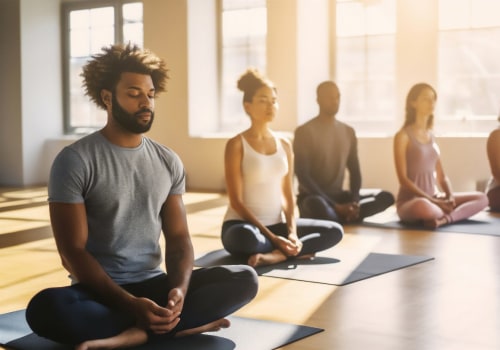
Incorporating mindfulness and meditation techniques into your daily routine can significantly enhance your mental wellness and provide effective anxiety care.These practices help ground you in the present moment, allowing you to observe your thoughts and feelings without judgment.
Mindfulness Techniques
- Body Scan: This technique involves paying attention to different parts of your body, starting from your toes and moving up to your head. It helps you connect with physical sensations and release tension.
- Mindful Breathing: Focus on your breath as it flows in and out. Count each inhale and exhale to maintain concentration. This simple practice can calm your mind and reduce anxiety.
- Five Senses Exercise: Engage your senses by identifying five things you can see, four you can touch, three you can hear, two you can smell, and one you can taste.
This technique anchors you in the present moment.
Meditation for Anxiety
Meditation is a powerful tool for managing anxiety. Regular practice can lead to long-term benefits, including:- Reduced Stress: Meditation lowers levels of the stress hormone cortisol, helping you feel more relaxed.
- Improved Focus: It enhances your ability to concentrate, making it easier to manage daily tasks without feeling overwhelmed.
- Emotional Regulation: Meditation fosters a greater awareness of your emotions, allowing you to respond rather than react to stressors.
How to Practice Mindfulness and Meditation
To get started with mindfulness and meditation, consider the following tips:- Create a Dedicated Space: Find a quiet place where you can sit comfortably without distractions.
- Set a Timer: Begin with just five minutes a day and gradually increase the duration as you become more comfortable.
- Be Patient: It’s normal for your mind to wander. Gently bring your focus back to your breath or the present moment without self-judgment.
Physical Activity as a Coping Mechanism
Engaging in physical activity is one of the most effective ways to manage stress and anxiety. Exercise not only boosts your physical health but also plays a crucial role in enhancing your mental wellness.When you exercise, your body releases endorphins, often referred to as "feel-good" hormones, which can help alleviate feelings of anxiety and improve your mood.
Types of Exercises for Stress Relief
- Aerobic Exercises: Activities like running, cycling, or swimming can significantly reduce stress levels. These exercises increase your heart rate and promote the release of endorphins.
- Yoga: This practice combines physical postures, breathing techniques, and meditation, making it an excellent choice for reducing anxiety and promoting relaxation.
- Strength Training: Lifting weights or engaging in resistance training can also help reduce anxiety by providing a sense of accomplishment and improving self-esteem.
- Walking: Even a simple walk in nature can be incredibly beneficial. It allows you to clear your mind while enjoying the calming effects of the outdoors.
The Benefits of Physical Activity
- Improved Sleep: Regular exercise can help regulate sleep patterns, which is essential for managing anxiety.
- Increased Energy Levels: Physical activity boosts your energy, making it easier to tackle daily challenges that may contribute to stress.
- Enhanced Mood: Exercise has been shown to reduce symptoms of depression and anxiety, leading to an overall improvement in mood.
- Social Interaction: Group exercises or team sports provide opportunities for socializing, which can further alleviate feelings of isolation often associated with anxiety.
Remember, the key is consistency; even short bursts of activity can lead to significant improvements in your mental wellness.
Healthy Eating Habits for Mental Wellness
Nutrition plays a crucial role in mental wellness, particularly when it comes to managing anxiety and stress. The foods we consume can significantly influence our mood, energy levels, and overall mental health. By adopting healthy eating habits, we can create a solid foundation for emotional resilience.Foods for Anxiety Relief
- Leafy Greens: Vegetables like spinach and kale are rich in folate, which helps produce dopamine, a neurotransmitter that regulates mood.
- Fatty Fish: Salmon and mackerel are high in omega-3 fatty acids, known to reduce anxiety and improve brain function.
- Nuts and Seeds: Almonds, walnuts, and flaxseeds provide magnesium, which can help lower anxiety levels.
- Berries: Blueberries and strawberries are packed with antioxidants that combat oxidative stress in the brain.
- Whole Grains: Foods like brown rice and quinoa release serotonin, a chemical that promotes feelings of well-being.
Healthy Eating Tips for Stress Management
- Plan Balanced Meals: Aim for a mix of protein, healthy fats, and complex carbohydrates to stabilize blood sugar levels and mood.
- Stay Hydrated: Dehydration can lead to fatigue and irritability. Drink plenty of water throughout the day.
- Avoid Processed Foods: Limit intake of sugary snacks and fast food, which can lead to energy crashes and increased anxiety.
- Practice Mindful Eating: Take time to enjoy your meals without distractions.
This can enhance your relationship with food and reduce stress.
- Incorporate Herbal Teas: Chamomile and green tea have calming properties that can help soothe anxiety.
Building a Support System
Having a strong support system is crucial for maintaining mental wellness and effectively managing anxiety. Social support can significantly reduce feelings of isolation and provide a sense of belonging, which are essential for emotional health. When faced with stressors, knowing that you have people to turn to can make a world of difference.Importance of a Support System
- Emotional Support: Friends and family can offer empathy and understanding, helping you process your feelings.
- Practical Help: A support system can assist with daily tasks or responsibilities that may feel overwhelming during stressful times.
- Accountability: Having someone to share your goals with can motivate you to stay on track with your mental wellness journey.
Building Relationships for Mental Health
To cultivate a robust support system, consider the following strategies:
- Reach Out: Don’t hesitate to connect with friends or family members.
A simple text or call can rekindle relationships.
- Join Groups: Look for local or online support groups focused on mental health. These communities can provide shared experiences and understanding.
- Volunteer: Engaging in community service not only helps others but also allows you to meet new people who share similar values.
- Be Open: Share your feelings and experiences with trusted individuals. Vulnerability can strengthen bonds and foster deeper connections.
Remember, building a support system takes time and effort, but the benefits for your mental wellness and anxiety care are invaluable.
Creative Outlets for Stress Relief
Engaging in creative activities can be a powerful way to manage stress and anxiety, providing an outlet for emotions and a means of self-expression. Whether through art, music, or writing, these activities not only foster mental wellness but also serve as effective coping mechanisms.Art Therapy Benefits
Art therapy is a therapeutic practice that utilizes the creative process of making art to improve a person’s physical, mental, and emotional well-being. It allows individuals to express feelings that may be difficult to articulate verbally. Here are some benefits:- Reduces anxiety: Creating art can help distract from stressors and provide a calming effect.
- Enhances self-awareness: Art encourages reflection and can lead to greater understanding of one’s emotions.
- Boosts self-esteem: Completing an art project can instill a sense of accomplishment and pride.
Hobbies for Mental Wellness
Incorporating hobbies into your routine can significantly enhance your anxiety care.Here are some creative hobbies that promote mental wellness:
- Painting or Drawing: These activities allow for free expression and can be incredibly therapeutic.
- Playing a Musical Instrument: Music has been shown to reduce stress levels and improve mood.
- Writing: Journaling or creative writing can help process emotions and clarify thoughts.
- Crafting: Engaging in crafts like knitting or scrapbooking can be meditative and fulfilling.
Professional Help: When to Seek Therapy or Counseling
Recognizing when to seek professional help for mental health issues such as stress and anxiety is crucial for maintaining mental wellness. While self-care strategies can be effective, there are times when the support of a trained professional is necessary. Here are some indicators that it may be time to consider therapy or counseling:- Persistent Symptoms: If feelings of anxiety or stress are overwhelming and persist despite your best efforts to manage them, it may be time to seek help.
- Impact on Daily Life: When anxiety begins to interfere with your daily activities, relationships, or work performance, professional guidance can provide the necessary support.
- Physical Symptoms: Experiencing physical symptoms such as headaches, fatigue, or gastrointestinal issues related to stress can signal the need for professional intervention.
- Substance Use: If you find yourself relying on alcohol or drugs to cope with stress or anxiety, it’s essential to seek help from a counselor.
Therapy can provide a safe space to explore your feelings and develop coping strategies tailored to your needs. Different types of therapy can be effective for managing anxiety:
- Cognitive Behavioral Therapy (CBT): This evidence-based approach helps individuals identify and change negative thought patterns that contribute to anxiety.
- Mindfulness-Based Therapy: Techniques such as mindfulness meditation can help individuals stay grounded and reduce anxiety by focusing on the present moment.
- Supportive Counseling: Sometimes, simply having someone to talk to can make a significant difference in managing stress and anxiety.
FAQs about Coping Mechanisms for Stress and Anxiety
When it comes to mental wellness & anxiety care, many individuals have questions about effective coping mechanisms. Here are some frequently asked questions that can provide clarity and support:- What are some quick coping strategies for immediate stress relief?
Some effective quick strategies include deep breathing exercises, progressive muscle relaxation, and grounding techniques.These methods can help you regain control and calm your mind in moments of acute stress.
- How can physical activity help with anxiety?
Engaging in regular physical activity releases endorphins, which are natural mood lifters. Activities like walking, jogging, or yoga not only improve physical health but also significantly reduce feelings of anxiety. - Are there specific mindfulness practices that can aid in stress management?
Yes, practices such as meditation, mindful breathing, and journaling can enhance your awareness of the present moment, helping to alleviate anxiety and promote a sense of peace. - How important is social support in coping with stress?
Social support plays a crucial role in mental wellness. Connecting with friends or family members can provide emotional comfort and practical assistance during stressful times. - Can dietary choices impact anxiety levels?
Absolutely. A balanced diet rich in fruits, vegetables, whole grains, and omega-3 fatty acids can positively influence your mood and overall mental health.
Remember that finding the right strategies may take time, so be patient with yourself as you explore what works best for you.
Conclusion: Embracing Healthy Coping Strategies for a Balanced Life
In conclusion, adopting healthy coping mechanisms is essential for managing stress and anxiety effectively. Throughout this article, we have explored various strategies that not only promote mental wellness but also enhance overall quality of life. By integrating these practices into daily routines, individuals can cultivate resilience and improve their emotional well-being.Some of the key strategies discussed include:- Mindfulness and Meditation: Engaging in mindfulness practices helps ground individuals in the present moment, reducing feelings of anxiety and promoting a sense of calm.
- Physical Activity: Regular exercise is a powerful tool for alleviating stress. It releases endorphins, which are natural mood lifters.
- Social Support: Connecting with friends and family provides emotional support and can significantly reduce feelings of isolation during challenging times.
- Creative Outlets: Engaging in creative activities such as painting, writing, or playing music can serve as a therapeutic release for pent-up emotions.
- Healthy Lifestyle Choices: Maintaining a balanced diet, getting adequate sleep, and avoiding excessive caffeine or alcohol can greatly influence mental health.
It is crucial to remember that everyone’s journey to mental wellness is unique; therefore, finding the right combination of techniques that resonate personally is vital. Embracing these healthy coping mechanisms not only aids in managing stress but also fosters a more balanced and fulfilling life.Ultimately, prioritizing mental wellness through effective coping strategies empowers individuals to navigate life's challenges with greater ease and confidence.