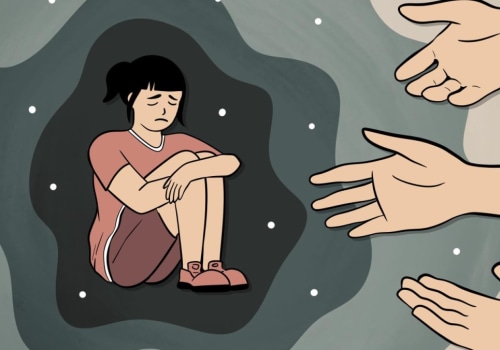
In today's fast-paced world, the concepts of mental wellness and anxiety care have become increasingly significant. As we navigate through daily challenges, the importance of understanding our mental health cannot be overstated. Mental wellness encompasses a state of well-being where individuals can cope with the stresses of life, work productively, and contribute to their communities. Conversely, anxiety can manifest as a response to overwhelming situations, leading to feelings of unease and distress that can hinder our ability to function effectively. Recognizing the signs of anxiety is crucial for fostering mental wellness.
Symptoms may include persistent worry, restlessness, and difficulty concentrating. These feelings are not just fleeting; they can significantly impact our quality of life if left unaddressed. Understanding the relationship between mental wellness and anxiety is essential for developing effective self-care practices that promote emotional resilience and stability. As we delve deeper into this topic, it becomes clear that self-care is not merely a luxury but a necessity for maintaining mental health. By prioritizing self-care practices tailored to individual needs, we can cultivate a more balanced life that mitigates anxiety and enhances overall well-being.
This exploration will provide valuable insights into practical strategies that can be integrated into daily routines, empowering individuals to take charge of their mental health.
The Importance of Self-Care for Mental Wellness
Self-care is not just a trendy buzzword; it is a vital practice for maintaining mental wellness and effectively managing anxiety. Engaging in self-care allows individuals to prioritize their emotional and psychological needs, which can lead to significant improvements in overall well-being.The Psychological Benefits of Self-Care
- Reduces Stress: Regular self-care practices can help lower stress levels, making it easier to cope with daily challenges.
- Enhances Mood: Activities that promote relaxation and joy can lead to improved mood and a more positive outlook on life.
- Boosts Self-Esteem: Taking time for oneself reinforces the idea that one is worthy of care and attention, which can enhance self-esteem.
The Emotional Benefits of Self-Care
- Improves Emotional Regulation: Engaging in self-care helps individuals better manage their emotions, reducing feelings of anxiety and overwhelm.
- Fosters Resilience: By regularly practicing self-care, individuals build resilience against stressors, making it easier to bounce back from difficult situations.
- Encourages Mindfulness: Many self-care activities promote mindfulness, allowing individuals to stay present and reduce anxiety about the future.
Daily Self-Care Practices for Mental Wellness
Incorporating daily self-care practices into your routine can significantly enhance mental wellness and serve as effective anxiety care.Here are some practical tips that you can easily integrate into your day-to-day life:
- Establish a Morning Routine: Start your day with intention. Consider activities like meditation, journaling, or light stretching to set a positive tone for the day.
- Practice Mindfulness: Take a few moments throughout the day to engage in mindfulness exercises. This could be as simple as focusing on your breath or observing your surroundings without judgment.
- Stay Physically Active: Regular physical activity is crucial for mental wellness. Aim for at least 30 minutes of exercise daily, whether it’s walking, yoga, or dancing.
- Nourish Your Body: Eating a balanced diet rich in fruits, vegetables, and whole grains can positively impact your mood and energy levels.
Stay hydrated and limit caffeine and sugar intake.
- Connect with Others: Social connections are vital for emotional health. Make time to reach out to friends or family members, even if it’s just a quick text or phone call.
- Limit Screen Time: Set boundaries around technology use, especially social media. Designate tech-free times during the day to help reduce anxiety and improve focus.
- Engage in Creative Activities: Whether it’s painting, writing, or playing music, engaging in creative outlets can be therapeutic and help express emotions constructively.
- Prioritize Sleep: Aim for 7-9 hours of quality sleep each night. Establish a calming bedtime routine to signal to your body that it’s time to wind down.
Remember that consistency is key; even small changes can lead to significant improvements over time.
Mindfulness and Meditation Techniques
Incorporating mindfulness and meditation into your daily routine can significantly enhance your mental wellness and serve as effective tools for anxiety care. These practices encourage a deeper connection with the present moment, allowing individuals to manage stress and anxiety more effectively.Mindfulness Practices
Mindfulness involves paying attention to the present moment without judgment. Here are some practical techniques:- Body Scan: Lie down comfortably and focus on each part of your body, starting from your toes to your head. Notice any sensations, tension, or relaxation.
- Mindful Breathing: Take a few minutes to focus solely on your breath.
Inhale deeply through your nose, hold for a moment, and exhale slowly through your mouth.
- Gratitude Journaling: Spend a few minutes each day writing down things you are grateful for. This practice shifts your focus from anxiety to appreciation.
Meditation for Anxiety
Meditation can be particularly beneficial for those struggling with anxiety. Here are some effective techniques:- Guided Meditation: Use apps or online resources that offer guided sessions specifically designed for anxiety relief.
- Loving-Kindness Meditation: Focus on sending love and kindness to yourself and others. This practice fosters compassion and reduces feelings of isolation.
- Visualization: Picture a peaceful scene or a safe space in your mind.
This technique can help calm racing thoughts and promote relaxation.
Physical Activity and Its Impact on Mental Health
Engaging in physical activity is one of the most effective ways to enhance mental wellness and manage anxiety. Numerous studies have shown that regular exercise can lead to significant improvements in mood and a reduction in anxiety symptoms.This section explores the profound relationship between physical activity and mental health.
The Benefits of Exercise for Mental Wellness
Exercise triggers the release of endorphins, often referred to as "feel-good" hormones. These natural chemicals can create feelings of happiness and euphoria, which are essential for maintaining a positive mental state. Here are some key benefits of exercise for mental wellness:- Reduces Stress: Physical activity helps lower levels of the body’s stress hormones, such as adrenaline and cortisol.
- Improves Sleep: Regular exercise can help you fall asleep faster and deepen your sleep, which is crucial for mental health.
- Boosts Self-Esteem: Achieving fitness goals, no matter how small, can enhance your self-confidence and self-worth.
- Enhances Cognitive Function: Exercise increases blood flow to the brain, which can improve memory and cognitive abilities.
Anxiety Relief Through Exercise
For those struggling with anxiety, incorporating physical activity into your routine can be particularly beneficial. Here are some ways exercise can help alleviate anxiety:- Distraction: Engaging in physical activity provides a break from negative thoughts that fuel anxiety.
- Social Interaction: Group exercises or team sports can foster social connections, reducing feelings of isolation.
- Meditative Effects: Activities like yoga or tai chi combine physical movement with mindfulness, promoting relaxation.
Whether it’s a brisk walk, a dance class, or a gym workout, finding an enjoyable form of exercise can lead to lasting benefits for both your body and mind.
Nutrition's Role in Mental Wellness
Nutrition plays a crucial role in mental wellness, particularly when it comes to managing anxiety. The foods we consume can significantly influence our mood, energy levels, and overall mental health. A balanced diet rich in essential nutrients can help mitigate symptoms of anxiety and promote a sense of well-being.Foods That Promote Mental Health
Incorporating specific foods into your diet can enhance mental wellness. Here are some key food groups to consider:- Fatty Fish: Rich in omega-3 fatty acids, fish like salmon and sardines can help reduce anxiety and improve mood.
- Nuts and Seeds: Almonds, walnuts, and flaxseeds are excellent sources of magnesium, which is known to alleviate anxiety symptoms.
- Leafy Greens: Vegetables such as spinach and kale are packed with folate, a nutrient that supports brain health and emotional regulation.
- Berries: Blueberries and strawberries contain antioxidants that combat oxidative stress, which can negatively impact mental health.
- Whole Grains: Foods like brown rice and quinoa provide complex carbohydrates that help stabilize blood sugar levels, promoting a more balanced mood.
The Impact of Diet on Anxiety
A well-rounded diet not only supports physical health but also plays a vital role in managing anxiety.Research indicates that diets high in processed foods and sugars can exacerbate anxiety symptoms. Conversely, a diet rich in whole foods can lead to improved mental clarity and emotional stability.To foster better mental wellness, consider adopting the following dietary practices:
- Stay Hydrated: Dehydration can lead to fatigue and irritability, so drink plenty of water throughout the day.
- Avoid Excessive Caffeine: While caffeine can provide a temporary boost, it may also increase feelings of anxiety for some individuals.
- Mindful Eating: Pay attention to what you eat and how it makes you feel. This practice can help you identify foods that positively or negatively affect your mood.
Building a Support System for Mental Wellness
Building a strong support system is crucial for enhancing mental wellness and effectively managing anxiety. Social connections can provide emotional support, practical help, and a sense of belonging, all of which are essential for maintaining mental health.Here are some strategies to help you build and maintain a supportive network:- Identify Your Needs: Reflect on what type of support you need.
Are you looking for someone to talk to, or do you need help with daily tasks? Understanding your needs will guide you in finding the right people.
- Reach Out: Don’t hesitate to connect with friends, family, or colleagues. A simple message or call can open the door to deeper conversations and strengthen your relationships.
- Join Groups or Clubs: Engaging in community activities or interest-based groups can help you meet new people who share similar interests. This can foster new friendships and provide a sense of community.
- Be Open and Honest: Share your feelings and experiences with those you trust. Vulnerability can deepen connections and encourage others to share their own struggles, creating a supportive environment.
- Offer Support in Return: Building relationships is a two-way street.
Be there for others when they need support, which can strengthen your bond and create a reciprocal relationship.
Setting Boundaries to Protect Your Mental Health
Setting personal boundaries is a crucial aspect of mental wellness and plays a significant role in anxiety care.Boundaries help define what is acceptable and what is not, allowing individuals to protect their mental health from external pressures and stressors. By establishing clear limits, you can create a safe space that fosters emotional well-being.
Why Are Boundaries Important?
- Reduce Stress: When you set boundaries, you communicate your needs and limits to others, which can significantly reduce feelings of overwhelm and anxiety.
- Enhance Self-Respect: Establishing boundaries reinforces your self-worth. It sends a message to yourself and others that your needs are valid and deserve attention.
- Improve Relationships: Healthy boundaries can lead to more respectful and fulfilling relationships. They help prevent resentment and misunderstandings by clarifying expectations.
How to Set Effective Boundaries
- Identify Your Limits: Reflect on what makes you feel uncomfortable or stressed.
Understanding your limits is the first step in setting effective boundaries.
- Communicate Clearly: Once you know your limits, express them clearly to others. Use "I" statements to convey your feelings without sounding accusatory.
- Be Consistent: Consistency is key when it comes to maintaining boundaries. If you waver, it can send mixed signals and lead to confusion.
- Practice Self-Care: Setting boundaries is a form of self-care. Prioritize activities that recharge you and respect your own time and energy.
By taking the time to establish and maintain these limits, you can significantly enhance your overall mental wellness, reduce anxiety, and cultivate healthier relationships with those around you.
FAQs About Self-Care Practices for Mental Wellness
When it comes to self-care practices for mental wellness, many people have questions about what truly works and how to implement these strategies effectively. Here are some frequently asked questions that can help clarify common misconceptions and provide valuable insights.- What are some simple self-care practices I can start with?
Simple practices include maintaining a regular sleep schedule, engaging in physical activity, and setting aside time for hobbies. Even small actions like taking a walk or practicing mindfulness can significantly enhance your mental wellness. - How does self-care relate to anxiety care?
Self-care is crucial for managing anxiety. Activities such as deep breathing exercises, journaling, and meditation can help reduce anxiety symptoms and promote a sense of calm. - Is self-care selfish?
Many people worry that prioritizing their own needs is selfish.However, self-care is essential for maintaining your mental health, which ultimately allows you to be more present and supportive for others.
- How often should I practice self-care?
Self-care should be a regular part of your routine. Aim to incorporate small practices daily, while also setting aside longer periods for more intensive self-care activities weekly or monthly. - Can self-care replace professional help?
While self-care is beneficial, it should not replace professional treatment when needed. If you are experiencing severe anxiety or other mental health issues, consulting a mental health professional is crucial.