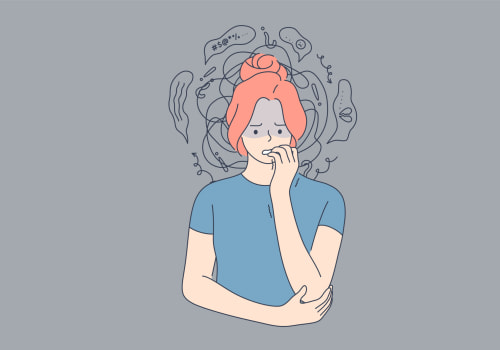
Anxiety is a complex mental health condition that affects millions of individuals across the globe. It is characterized by persistent feelings of worry, fear, and apprehension that can interfere with daily activities. While it is normal to experience anxiety in response to stressors, such as work deadlines or personal challenges, anxiety disorders can lead to overwhelming feelings that are difficult to manage. Understanding what anxiety is and how it manifests is essential for anyone looking to support a loved one facing this challenge. The symptoms of anxiety can vary widely from person to person but often include physical manifestations such as increased heart rate, sweating, and fatigue, as well as emotional symptoms like irritability and difficulty concentrating.
These symptoms can create a cycle of distress that not only impacts the individual but also affects their relationships with family and friends. When someone we care about struggles with anxiety, it can leave us feeling helpless or unsure of how to provide the right kind of support. To effectively assist a loved one in their journey toward mental wellness, it is crucial to understand the profound effects anxiety can have on their life. This includes recognizing how it can alter their behavior, influence their social interactions, and even affect their physical health. By fostering an environment of empathy and understanding, we can help our loved ones navigate their anxiety more effectively.
In the following sections, we will explore practical strategies for providing support and enhancing mental wellness for those grappling with anxiety.
Recognizing Signs of Anxiety in Loved Ones
Recognizing the signs of anxiety in loved ones is crucial for providing effective support and fostering mental wellness. Anxiety can manifest in various ways, and being aware of these indicators can help you intervene early and encourage your loved one to seek help.- Changes in Behavior: One of the most noticeable signs of anxiety is a shift in behavior. This may include withdrawal from social activities, a decline in work or academic performance, or increased irritability. If your loved one suddenly avoids gatherings they once enjoyed, it may be a sign of underlying anxiety.
- Physical Symptoms: Anxiety often presents with physical symptoms such as headaches, stomachaches, or fatigue.
If your loved one frequently complains of unexplained physical ailments, it could be linked to their mental health.
- Excessive Worrying: A hallmark of anxiety is persistent worrying about everyday situations. If you notice that your loved one is excessively concerned about minor issues or catastrophizing potential outcomes, this could indicate an anxiety disorder.
- Changes in Sleep Patterns: Anxiety can significantly impact sleep quality. Look for signs such as insomnia, frequent waking during the night, or excessive sleeping. These changes can affect their overall well-being and daily functioning.
- Difficulty Concentrating: Anxiety often leads to difficulties in focusing or making decisions.
If your loved one seems distracted or has trouble completing tasks they once managed easily, it may be a sign of anxiety.
Creating a Supportive Environment
Creating a supportive environment is essential for anyone struggling with anxiety. A nurturing space can significantly impact their mental wellness and overall well-being. Here are some practical ways to foster such an environment:- Open Communication: Encourage honest conversations about feelings and experiences.
Let your loved one know that it’s okay to express their thoughts without fear of judgment. Use phrases like, "I’m here to listen," to create a safe space for dialogue.
- Establish a Routine: Routines can provide a sense of stability and predictability. Work together to create a daily schedule that includes time for relaxation, hobbies, and social interactions, which can help alleviate anxiety.
- Create Safe Spaces: Designate areas in your home that are calming and free from stressors. This could be a cozy corner with soft lighting, comfortable seating, and soothing decor where your loved one can retreat when feeling overwhelmed.
- Limit Triggers: Identify and minimize exposure to potential anxiety triggers within the environment.
This might involve reducing clutter, managing noise levels, or even limiting news consumption if it causes distress.
- Encourage Healthy Habits: Promote activities that enhance mental wellness, such as regular exercise, mindfulness practices, or engaging in creative outlets. Join them in these activities to provide support and companionship.
Your presence and willingness to help can make a significant difference in their ability to cope with anxiety.
Effective Communication Strategies
When supporting a loved one struggling with anxiety, effective communication is crucial. It not only helps them feel understood but also fosters a safe environment where they can express their feelings without fear of judgment.Practice Active Listening
Active listening goes beyond just hearing words; it involves fully engaging with the speaker. Here are some strategies to enhance your active listening skills:- Maintain eye contact: This shows that you are focused and present in the conversation.
- Avoid interrupting: Let them finish their thoughts before responding. This demonstrates respect for their feelings.
- Reflect back what you hear: Paraphrasing their words can help clarify their feelings and show that you are paying attention.
- Ask open-ended questions: Encourage them to share more by asking questions that require more than a yes or no answer.
Validate Their Feelings
Validation is a powerful tool in supportive communication.It reassures your loved one that their feelings are legitimate and important. Here are some ways to validate their emotions:
- Acknowledge their experience: Use phrases like "I can see why you feel this way" or "That sounds really tough." This helps them feel heard.
- Avoid minimizing their feelings: Statements like "It’s not a big deal" can be dismissive. Instead, focus on understanding their perspective.
- Share your support: Let them know you are there for them, whether it’s through listening or helping them find resources for mental wellness & anxiety care.
Encouraging Professional Help and Resources
Supporting a loved one struggling with anxiety often involves encouraging them to seek professional help.While your support is invaluable, mental health professionals possess the training and resources necessary to provide effective treatment. Here are some key points to consider when discussing the importance of seeking help:
- Normalize the Conversation: Approach the topic of mental wellness and anxiety care with sensitivity. Let your loved one know that seeking help is a sign of strength, not weakness.
- Discuss Therapy Options: There are various types of therapy available, each tailored to different needs. Some common options include:
- Cognitive Behavioral Therapy (CBT): This is a widely used approach that helps individuals identify and change negative thought patterns.
- Exposure Therapy: Particularly effective for phobias and PTSD, this method gradually exposes individuals to their fears in a controlled environment.
- Mindfulness-Based Therapy: This approach incorporates mindfulness practices to help individuals stay present and reduce anxiety.
- Provide Resources: Help your loved one find mental health resources.
This can include:
- Local Therapists: Research therapists in your area who specialize in anxiety disorders.
- Support Groups: Encourage them to join support groups where they can connect with others facing similar challenges.
- Online Resources: Websites like the Anxiety and Depression Association of America (ADAA) offer valuable information and tools for managing anxiety.
Self-Care for Supporters: Maintaining Your Own Mental Wellness
Supporting a loved one who is struggling with anxiety can be emotionally taxing, making it essential for caregivers to prioritize their own mental wellness. When you invest in your own self-care, you not only enhance your ability to provide support but also model healthy coping strategies for your loved one.Recognize Your Limits
- Understand that you cannot be a source of strength for someone else if you are running on empty. Acknowledge your own feelings and set boundaries to protect your mental health.
- It’s okay to take breaks and step back when needed.
This will help you recharge and return with a clearer mindset.
Engage in Self-Care Activities
- Physical Activity: Regular exercise can significantly reduce stress levels. Whether it’s a brisk walk, yoga, or dancing, find an activity that you enjoy.
- Meditation and Mindfulness: Practicing mindfulness can help ground you in the present moment, reducing feelings of anxiety and overwhelm.
- Social Connections: Maintain relationships with friends and family. Sharing your experiences with others can provide emotional relief and support.
Seek Professional Help
- If you find yourself feeling persistently overwhelmed, consider speaking with a mental health professional. Therapy can provide valuable tools for managing caregiver stress.
- Support groups for caregivers can also be beneficial, offering a space to share experiences and learn from others facing similar challenges.
Remember, taking care of yourself is not selfish; it’s a necessary part of being an effective supporter.
Conclusion: Key Takeaways for Supporting Loved Ones Struggling with Anxiety
Supporting a loved one who is struggling with anxiety requires a thoughtful approach that emphasizes understanding, communication, and self-care. Here are the key takeaways to keep in mind:- Empathy is Essential: Recognize that anxiety is a real and often debilitating condition. Approach your loved one with compassion, validating their feelings rather than dismissing them.
- Open Lines of Communication: Encourage honest conversations about their experiences. Ask open-ended questions and listen actively, allowing them to express their thoughts without fear of judgment.
- Educate Yourself: Understanding anxiety can help you provide better support.
Familiarize yourself with the symptoms and triggers of anxiety disorders, which can empower you to respond more effectively.
- Encourage Professional Help: Gently suggest seeking help from a mental health professional if they haven’t already. Offer to assist them in finding resources or accompany them to appointments if they feel comfortable.
- Promote Healthy Coping Strategies: Help your loved one explore various coping mechanisms such as mindfulness, exercise, or creative outlets. Encourage them to engage in activities that promote mental wellness.
- Practice Self-Care: Supporting someone with anxiety can be emotionally taxing. Ensure you also take time for your own mental wellness.
Engage in activities that rejuvenate you and seek support when needed.