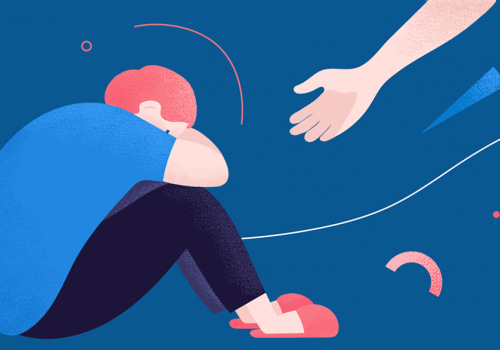
Anxiety can affect thoughts, emotions, physical sensations, sleep, concentration, and everyday decision-making. Occasional worry is a normal response to challenging situations, but persistent or overwhelming anxiety can interfere with work, relationships, and quality of life. Managing anxiety often involves more than one strategy, and approaches that work for one person may not work equally well for another. Mindfulness, healthy routines, relaxation techniques, social connection, and professional support can all contribute to a broader mental wellness plan. The goal is not necessarily to eliminate every anxious thought but to develop healthier ways of recognizing, responding to, and coping with difficult emotions.
Practicing Mindfulness
Mindfulness involves intentionally focusing attention on the present moment while observing thoughts and feelings without immediately judging or reacting to them. Beginners can practice mindfulness through simple breathing exercises, guided meditation, mindful walking, or quiet observation of physical sensations. Even a few minutes of focused attention can provide an opportunity to pause during a demanding day. When anxious thoughts arise, individuals can practice noticing them rather than automatically accepting every worry as fact. Mindfulness may also encourage greater awareness of physical signs of stress, such as tense shoulders, rapid breathing, or restlessness. With consistent practice, these techniques can become useful additions to a personalized approach to emotional wellness.
Building Healthy Daily Routines
Daily habits can influence emotional resilience. Regular sleep, balanced meals, physical activity, hydration, and opportunities for relaxation provide important foundations for mental well-being. Poor sleep or irregular routines can make stress feel more difficult to manage, while regular movement may provide a healthy outlet for tension. Individuals can create structure by maintaining consistent wake and sleep times, scheduling meals, taking short breaks from work, and setting aside time for enjoyable activities. Healthy routines do not need to be complicated. Small, realistic changes are often easier to maintain than dramatic adjustments that create additional pressure. The most effective routine is one that fits naturally into an individual's responsibilities and personal preferences.
Developing Healthy Coping Strategies
Anxiety management can involve learning how to respond constructively to stressful situations. Journaling may help individuals organize their thoughts, while breathing exercises can provide a brief calming practice during moments of tension. Spending time with supportive friends or family members can reduce feelings of isolation, and hobbies can create opportunities to focus attention on meaningful activities. Limiting excessive caffeine or other factors that may worsen feelings of restlessness can also be worth considering. However, coping strategies should be personalized, and individuals should avoid using unhealthy behaviors as their primary way of managing difficult emotions. When anxiety becomes persistent or significantly affects daily functioning, professional support can provide additional guidance.
Supporting Mental Wellness With Professional Care
Mindfulness and healthy habits can complement professional mental health care, but they should not be considered substitutes for treatment when anxiety is severe or ongoing. Psychological services can help individuals explore underlying concerns, identify unhelpful thought patterns, and develop evidence-based coping strategies. For individuals seeking professional assistance, Cabot Psychological Services Minneapolis MN can be part of a broader approach to addressing emotional and mental wellness. Seeking support can be a proactive step toward improving quality of life and developing greater confidence in managing difficult experiences.
Creating a Sustainable Approach
Managing anxiety is often an ongoing process rather than a single accomplishment. Individuals may need to adjust their strategies as circumstances, responsibilities, and personal needs change. Combining mindfulness with consistent sleep, regular movement, healthy nutrition, meaningful relationships, relaxation, and appropriate professional support can create a more comprehensive foundation for emotional well-being. It is also important to practice self-compassion and recognize that setbacks do not mean that progress has been lost. By focusing on realistic habits and learning to respond to anxious thoughts with greater awareness, individuals can gradually strengthen their coping skills. A balanced approach to mental wellness can help reduce the impact of everyday stress while supporting greater emotional resilience, focus, and overall quality of life.